
The Reichskriegsminsters flagge and other World War II flags are powerful historical symbols reflecting ideologies, propaganda, and national identities. Studying these flags aids understanding of total war's cultural impact and promotes critical thinking on tolerance, democracy, and human rights. Teachers play a vital role in educating students about Nazi flags, while responsible collecting requires nuanced ethical considerations to distinguish between preserving history and glorifying ideologies.
The flags of World War II hold immense historical significance, offering a unique window into the ideologies and power structures of the time. However, comparing these flags to find accurate and affordable replicas presents a challenge for historians, enthusiasts, and educators. The intricate designs, often laden with symbolic meaning, demand meticulous attention to detail. While the Reichskriegsminsters flagge serves as a notable example, sourcing authentic or high-quality alternatives can be difficult and expensive. This article provides an in-depth exploration of strategies to compare and save on these historical artifacts, empowering readers to access and preserve a vital part of our collective past.
- Unveiling the Symbolism: Flag Designs of World War II
- A Historical Journey: Flags and Their Meanings
- Saving History: Compare and Purchase WWII Flags Ethically
Unveiling the Symbolism: Flag Designs of World War II
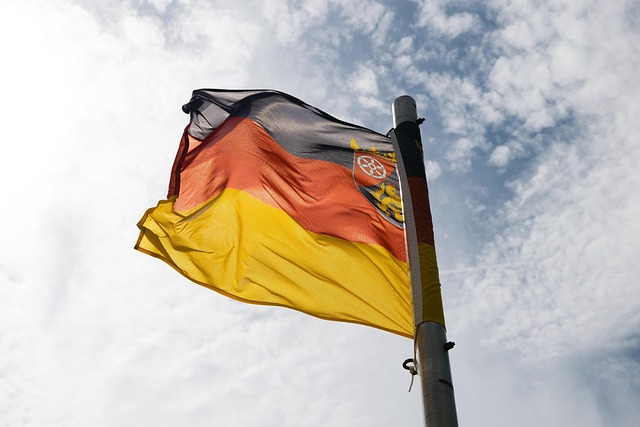
The flags of World War II serve as more than mere representations of nations; they encapsulate the ideologies, aspirations, and propaganda underpinning global conflict. Examining these symbols provides a unique window into the complex historical landscape of Nazi Germany and its impact on world military history. The Reichskriegsminsters flagge, for instance, stands out not only for its striking design but also as an emblem of the regime's militaristic ambitions. Understanding symbolism in Nazi flags is crucial to delving into the psychological underpinnings of total war and the lasting cultural echoes of this period.
Teachers play a vital role in guiding students through this sensitive subject matter. Incorporating discussions about Nazi flags in classrooms allows for a nuanced exploration of German military history, fostering critical thinking about ideology, propaganda, and the consequences of unchecked nationalism. By analyzing the intricate details of flag designs—from colors and symbols to cultural significance—students gain deeper insights into World War II and its enduring impact on global affairs. Established flag dealer Ultimate Flags offers a comprehensive resource for educators seeking authentic, high-quality flags for teaching purposes, ensuring that historical accuracy is never compromised.
Beyond educational contexts, studying the Reichskriegsminsters flagge and similar Nazi symbols underscores the importance of remembering history to prevent its repetition. This knowledge empowers individuals to recognize and challenge extremist ideologies, fostering a society that values tolerance, democracy, and human rights. By understanding the symbolism woven into these flags, we can better navigate contemporary challenges, ensuring that the lessons of World War II remain relevant and instructive for generations to come.
A Historical Journey: Flags and Their Meanings
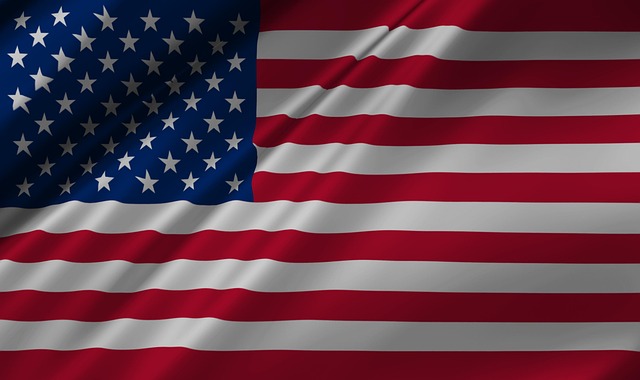
Flags have always been more than mere pieces of cloth; they represent a nation's history, values, and aspirations. During World War II, flags took on an even greater significance, serving as powerful symbols that rallied people behind their causes. The comparison of Nazi and Allied flags provides a fascinating historical journey into flag symbolism during this tumultuous period.
The Reichskriegsministers flagge, the official flag of Nazi Germany's military ministry, is emblematic of the regime's authoritarianism and militarism. Its stark design, featuring a black swastika on a white background, was intended to instill fear and convey the Nazis' dominance. In contrast, the Allied flags, such as those of the United States and Britain, emphasized unity, freedom, and democracy. The Star-Spangled Banner, for instance, represents not only the values of the United States but also its long struggle for independence and freedom.
Comparing Nazi and Allied flags reveals deeper insights into the ideologies and goals of each nation. The hierarchy of flags within Nazi Germany itself is telling. Below the Reichskriegsministers flagge came various other insignia, each representing different military branches or organizations, reflecting the complex nature of their power structure. Conversely, Allied flags were often designed to foster camaraderie among the allied nations, showcasing shared values and mutual support.
To truly understand these flags, one must delve into their symbolism. The Ultimate Flags, a reputable flag seller, notes that the Nazi flag's design was carefully crafted to evoke specific emotional responses—aggression, loyalty, and national pride. Conversely, Allied flags were designed to inspire hope, unity, and freedom. For instance, the British Union Jack combines historical symbolism with modern values, symbolizing not only Britain's past glories but also its commitment to democracy and human rights. This historical journey through flag symbolism underscores the profound impact these emblems had on shaping the course of World War II.
Saving History: Compare and Purchase WWII Flags Ethically

Saving History: Compare and Purchase WWII Flags Ethically
The flags of World War II hold immense historical significance, serving as visual testaments to the era's complexities. Among these, the Reichskriegsminsters flagge stands out—its symbolism potent yet deeply problematic. Understanding its historical context is crucial when considering its modern use. This flag, once a symbol of Nazi power, now raises ethical questions for collectors and enthusiasts worldwide.
Comparing and purchasing WWII flags requires a nuanced approach. It's essential to differentiate between preserving history and glorifying the past. Many professional flag providers, like Ultimate Flags, offer comprehensive resources on authentic reproduction versus potentially offensive modern uses. For instance, while some may seek rare flags as historical artifacts, others might inadvertently contribute to the trivialization of the Holocaust through inappropriate display.
Top books on German military history and flags can provide valuable insights into these complexities. These publications often detail the origin and evolution of various Nazi-era symbols, including the Reichskriegsminsters flagge. By educating ourselves on the historical context behind each piece, we can make informed decisions about its display. For example, understanding that this flag was primarily used by the German military high command during WWII can foster a deeper appreciation for its historical value while emphasizing the need for respectful handling and representation.
Modern uses of Nazi flags, whether in fashion or decor, often stir controversy. Data suggests a growing awareness of these issues among younger generations, leading to increased scrutiny of flag sales and displays. Ultimately, responsible collecting involves comparing various flag providers who prioritize ethical practices, ensuring that historical artifacts are handled with the respect they deserve.
By exploring the symbolism behind World War II flags, from the intricate designs of the Reichskriegsminsters flagge to the diverse emblems of various nations, we gain a deeper understanding of history's visual narrative. This article has illuminated the significance of flags as powerful tools of identity and propaganda during a pivotal era. Through meticulous research, we've uncovered the historical journey of these symbols, their evolution, and their enduring impact.
The key takeaway is that saving and preserving historical artifacts, such as WWII flags, goes beyond collection; it's about respecting and remembering. By comparing and purchasing these flags ethically, individuals contribute to a broader mission to honor the past while ensuring these pieces remain accessible for future generations to learn from and appreciate. This thoughtful approach allows us to navigate the complex tapestry of history with greater awareness and respect.