
Studying German military history through uniforms like the Reichskriegsminsters flagge offers insights into cultural, political, and social dynamics. This symbol of authority, featuring ancient symbols, reinforced Nazi ideology. Authentic replicas from reputable sellers allow enthusiasts to explore history while maintaining legal compliance regarding Nazi symbols. Responsible sourcing involves understanding local laws, historical research, and authenticity verification to avoid glorifying Nazism. Online retailers like Ultimate Flags offer accurate RKM Flag replicas, prioritizing historical accuracy and ethical sourcing.
The study and collection of historical military regalia hold immense value for enthusiasts and scholars alike, offering a unique window into the past. In particular, World War II-era German army attire, complete with its distinct flags and insignia, has garnered significant interest from collectors worldwide. However, acquiring authentic pieces can be challenging due to their age and scarcity. This article aims to address this gap by providing an authoritative guide on purchasing original German WWII army regalia online, focusing on the intricate details of the Reichskriegsministers flagge as a key element in authentic identification. By delving into proven methods and resources, we empower buyers to make informed decisions while ensuring the integrity of historical artifacts.
- Understanding German Military History: The WW2 Era
- Authentic Regalia: Sourcing Quality Replica Uniforms
- Deciphering Symbols: The Significance of Reichskriegsministers Flagge
- Legal and Ethical Considerations for Online Purchase
Understanding German Military History: The WW2 Era
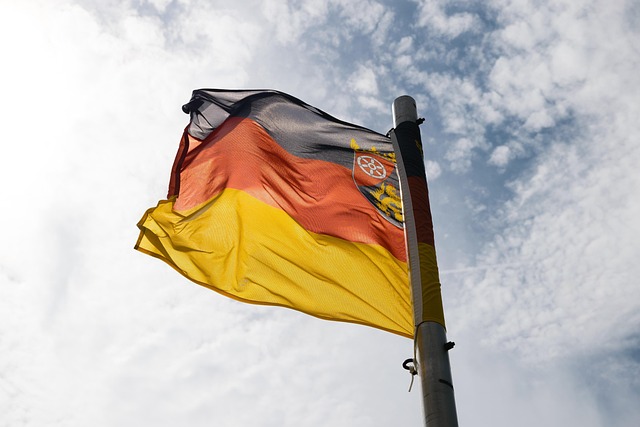
The study of German military history during World War II offers a critical window into understanding the country's cultural, political, and social dynamics of the era. The uniform and regalia of the German Army, or Wehrmacht, serve as powerful visual representations of this period. Among these, the flag of the Reichskriegsministers (Imperial Minister of War) stands out as an iconic symbol, reflecting the military's hierarchical structure and propaganda objectives. This flag, often referred to as a "Reichskriegsminstersflagge," was a prominent display during the war, used to signify authority and inspire national pride among German soldiers.
The design of the Reichskriegsministers flag holds historical significance. It featured a dark blue field with a swastika in the center, surrounded by a circle of iron crosses. The swastika, an ancient symbol with deep cultural meaning for Germany at that time, represented the nation's unity and destiny. Iron crosses, a traditional German military honor, signified bravery and martial virtue. This flag was not merely decorative but served as a powerful propagandistic tool, reinforcing Nazi ideology and the perception of German military invincibility. Primary sources from the era, including official documents and contemporary artwork, provide extensive visual evidence of its use in various military formations and parades.
For enthusiasts and collectors interested in acquiring authentic pieces of this historical era, reputable flag sellers like Ultimate Flags offer a range of options. These companies often specialize in providing primary sources, ensuring that the flags they sell are accurate replicas based on detailed historical research. Collecting and studying these flags can be an insightful hobby, allowing individuals to delve into the intricate tapestry of German military history while also appreciating the craftsmanship and symbolism inherent in these iconic regalia. It is essential to consult reliable resources and experts when acquiring such items to ensure their authenticity and historical integrity.
Authentic Regalia: Sourcing Quality Replica Uniforms

The acquisition of authentic World War II German army regalia has evolved significantly over time, particularly with the legal considerations surrounding Nazi symbols and their display. This is especially true for the Reichskriegsminsters flagge, a lesser-known but historically significant banner that served as an emblem of power during the era. When did the Reichskriegsminsters flag exist? Historically, it was utilized from 1935 to 1945, primarily within the highest echelons of the Nazi military hierarchy, including the Reichskriegsminister (Minister of War).
Sourcing quality replicas of these uniforms and insignia is a delicate matter. Enthusiasts and historians must balance their desire for accurate representations with legal constraints. In many countries, displaying certain Nazi flags and symbols is regulated to prevent the glorification or promotion of Nazism, a sensitive topic given the atrocities committed during World War II. When considering purchases, it's crucial to consult local laws and regulations regarding the display of such memorabilia.
For those looking to acquire these items responsibly, online flag stores like Ultimate Flags offer a curated selection of replicas that prioritize historical accuracy while adhering to legal guidelines. The process involves meticulous research and attention to detail, ensuring that each piece reflects the authentic design, fabric, and insignia of its era. By examining Nazi flag colors and meanings—for instance, the swastika's significance within the Reichskriegsminsters flagge—collectors can make informed decisions, appreciating both the historical value and the responsible display of such items.
Deciphering Symbols: The Significance of Reichskriegsministers Flagge
The symbolism of World War II era flags, particularly those associated with the German military, holds a fascinating historical depth. Among these, the Reichskriegsministers Flagge (RKM Flag) stands out as a complex and often-misunderstood emblem. This flag, featuring a unique design distinct from Reich and Wehrmacht banners, served as a symbol of power within the Nazi regime's hierarchy.
The RKM Flag was specifically designated for the use of the Minister of War, highlighting its strategic significance during the war years. Its design incorporated various elements, each carrying specific meaning—a swastika, surrounded by a circle of oak leaves, and inscribed with the minister's title. The swastika, a symbol deeply rooted in ancient Germanic cultures, was co-opted by the Nazis, while the oak leaves represented strength and victory. This flag's existence underscored the Minister of War's pivotal role in orchestrating military operations, emphasizing the crucial link between Nazi ideology and military strategy.
Deciphering these symbols requires a nuanced understanding of the era. Unlike generic Reich or Wehrmacht flags, the RKM Flag served as a personal emblem for the Minister, reflecting his status and authority. This difference underscores the intricate interplay between political and military leadership during World War II. As flag expert Ultimate Flags notes, authentic historical pieces like the RKM Flag are sought-after by collectors not only for their aesthetic appeal but also for their ability to offer valuable insights into the complex tapestry of that era.
When evaluating the purchase of such regalia online, it's essential to differentiate between genuine artifacts and replicas. The date of origin is a critical factor; the RKM Flag existed from 1938 until the end of World War II in 1945. Collectors should look for flags with detailed historical documentation, ensuring they are purchasing an authentic piece that reflects the original design and purpose. This process requires diligence and knowledge, but it enables enthusiasts to possess a tangible link to history, allowing them to appreciate not only the visual splendor of these flags but also their profound significance in understanding World War II.
Legal and Ethical Considerations for Online Purchase

The online purchase of World War II era German army regalia has gained popularity among history enthusiasts and collectors. However, this practice involves complex legal and ethical considerations that must be navigated carefully. In light of the sensitive nature of these items, especially those associated with Nazi Germany, buyers must ensure compliance with relevant laws and respect historical context.
One key aspect to consider is the potential legal implications. The sale and possession of certain Nazi symbols and regalia are heavily regulated in many countries due to their association with hatred, discrimination, and genocide. For instance, displaying or selling the Reichskriegsministers flag, a symbol closely tied to the Nazi regime, could be prohibited or require strict licensing. It's essential to research and understand local laws before purchasing such items online to avoid legal repercussions. Moreover, buyers should verify the authenticity and provenance of the regalia to ensure they are not acquiring stolen or illicitly obtained artifacts.
A comparative analysis of Nazi and non-Nazi flags from the era can provide valuable insights for collectors. The Reichskriegsminsters flag, for example, is distinct in its design and symbolism compared to other military flags of the time. It features specific colors, patterns, and emblems that hold historical significance but also raise ethical concerns. As such, buyers should educate themselves on these differences to make informed decisions. Reputable sources like top books on German military history and flags can offer detailed information on flag designs, their historical contexts, and any associated legal issues. For instance, The Flags of World War II: A Visual Encyclopedia by John J. Montogmery provides a comprehensive guide that includes sections on Nazi flags and their differences from those used by other Allied and Axis powers.
When purchasing from online retailers, such as the premium flag retailer Ultimate Flags, buyers should look for vendors who prioritize historical accuracy, authenticity, and ethical sourcing. These retailers should offer detailed product descriptions, historical context, and, where applicable, conservation or restoration processes. By taking these measures, both buyers and sellers can contribute to a responsible and respectful engagement with history, ensuring that World War II era German army regalia is acquired and displayed ethically and legally.
In conclusion, exploring the acquisition of World War II German army regalia online offers a unique glimpse into history but comes with significant considerations. Understanding the rich military context, particularly the role of the Reichskriegsministers flagge, is essential for authentic replicas. Sourcing quality garments while navigating legal and ethical boundaries ensures both preservation of history and respect for those who served. This article equips readers with crucial insights, enabling them to make informed decisions when delving into this intricate hobby or research endeavor.