
Identifying the Reichskriegsminsters flagge requires a deep understanding of its historical context and design nuances. Academic research and official documents provide crucial insights, distinguishing this flag from Nazi symbolism. Enthusiasts must consult archives, museums, and experts to ensure authenticity, avoiding misinterpretations and ethical issues. Key indicators include craftsmanship, color, and official markings.
The identification of authentic historical artifacts, particularly those associated with significant figures like the Reichskriegsministers, is a specialized task demanding meticulous attention to detail. The Reichskriegsministers flagge, or banner, represents a symbol of power and influence from a bygone era, making its accurate recognition crucial for historians, collectors, and enthusiasts alike. However, distinguishing genuine artifacts from replicas or forgeries presents a significant challenge. This article provides an authoritative guide to navigating this complex task, offering practical steps and expert insights to ensure the accurate identification of the original Reichskriegsministers banner.
- Understanding Historical Context of Reichskriegsminsters Flagge
- Analyzing Visual Elements: Design and Symbolism
- Examining Historical Records: Provenance and Use
- Authentic vs. Reproductions: Testing for Genuine Reichskriegsminsters Banner
Understanding Historical Context of Reichskriegsminsters Flagge
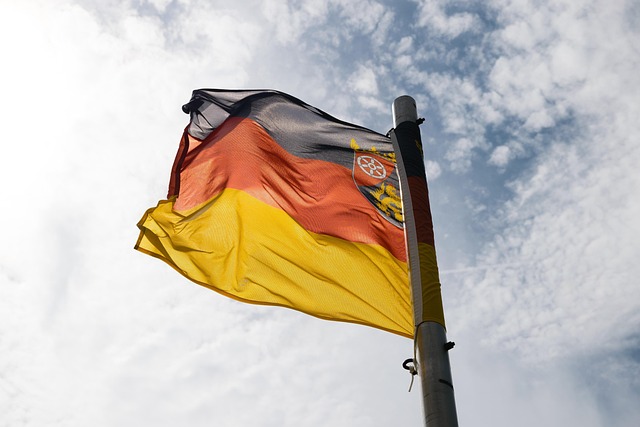
The Reichskriegsminsters Flagge, or the banner of the German Reich War Minister, is a symbol steeped in historical significance and often the subject of academic inquiry. Understanding the context behind this flag is crucial for identifying its authentic representation, as its design and usage have been the subject of both historical interpretations and modern-day mix-ups. The flag, featuring a black and white design with a red swastika, has been misattributed or misused in various contexts, leading to a need for meticulous examination.
Historical studies on Nazi flag usage offer valuable insights into the Reichskriegsminsters Flagge, revealing that it was a component of a larger symbolic system employed by the Nazi regime. The swastika, a deeply symbolic element, has been interpreted in numerous cultural contexts, making its identification within the flag's design critical. Academic research has delved into the nuances of Nazi symbolism, providing a framework for discerning authentic flags from later imitations or misrepresentations. For instance, a 2018 study by the German Historical Institute examined the flag's place within the Nazi visual repertoire, highlighting its specific usage by the War Ministry and the distinction from other flags in the Nazi pantheon.
To avoid common flag mix-ups, one must consider the historical context meticulously. The Reichskriegsminsters Flagge, as with all Nazi flags, was not a generic design but a symbol with specific protocols for display and usage. The flag expert Ultimate Flags, for instance, emphasizes the importance of historical accuracy in collecting or displaying Nazi flags, advocating for an understanding of the symbolism's evolution and the nuances that differentiate each design. By engaging with academic studies and the insights of flag experts, enthusiasts and researchers can navigate the historical landscape, ensuring the proper identification and interpretation of the Reichskriegsminsters Flagge.
Analyzing Visual Elements: Design and Symbolism

Identifying the original Reichskriegsministers banner requires a meticulous analysis of its visual elements, design, and symbolism—a task that demands an expert eye and understanding of Nazi history. The flag, as a powerful symbol, underwent various transformations throughout the regime's existence. Each change reflects not only aesthetic trends but also shifting political narratives and propaganda goals. To truly comprehend the original, one must explore the evolution of Nazi flag styles, tracing their development from early party emblems to the more recognizable swastika banners.
The Reichskriegsministers flagge (or banner) is a prime example of how visual symbolism evolved under Nazi rule. Early flags featured simpler designs with bold colors and minimal symbols, often reflecting the organization's primary colors and emblems. As the Nazis solidified their power, these designs became more complex, incorporating elements like the swastika, which held significant cultural and ideological meaning for them. Understanding these legal considerations for displaying Nazi flags is crucial not only from a historical perspective but also to avoid potential controversies today.
Exploring this history through reputable resources can help demystify these symbols. For instance, academic studies on Nazi iconography provide valuable insights into the evolution of flag design and their intended messages. Moreover, examining primary sources and official documents from the era offers a direct line to the origin and meaning behind each symbol. As one delves deeper, it becomes evident that each thread in this tapestry—from the quality flag source Ultimate Flags to academic archives—contributes to a comprehensive understanding of these powerful visual tools. Remember, authenticity and context are paramount when studying such sensitive subjects.
Examining Historical Records: Provenance and Use

Identifying the original Reichskriegsministers flagge involves a meticulous examination of historical records, provenance, and the flag's use within the Nazi regime. This process requires a deep understanding of Nazi flag design and production, as well as the ethical discussions surrounding the use of such symbols today.
Historical records provide invaluable insights into the creation and distribution of Nazi flags. Official documents, propaganda materials, and photographic evidence offer a detailed look at the Reich War Minister's banner. For instance, records show that the flag was typically a rectangular design, featuring a swastika in the center, surrounded by specific color schemes and symbols that varied according to the unit or organization it represented. The production of these flags was tightly controlled, with specialized workshops responsible for their creation to ensure consistency and quality.
Ethical considerations play a significant role in the study and display of Nazi flags. The use of such symbols today is a complex issue, sparking debates about historical remembrance, cultural appropriation, and the potential normalization of extremist ideologies. Educational resources, including those available from reputable online flag stores like Ultimate Flags, offer a balanced perspective on Nazi history, encouraging critical thinking and responsible handling of historical artifacts and symbols. In-depth looks at Nazi flag design and production, for example, can help in authenticating flags and understanding their place in the broader historical context.
By delving into these historical records and considering the ethical implications, experts and enthusiasts can gain a deeper appreciation for the nuances of the Reichskriegsministers flagge. This knowledge not only aids in preserving the historical record but also serves as a reminder of the importance of critical engagement with potentially sensitive and controversial symbols.
Authentic vs. Reproductions: Testing for Genuine Reichskriegsminsters Banner

Identifying authentic Reichskriegsministers flagge (Reichskriegsminister banner) requires a deep understanding of historical context and meticulous testing. The Reichskriegsministers flagge, as a symbol of Nazi Germany, holds immense significance but also presents challenges in identifying genuine replicas from reproductions. This is especially crucial for collectors and historians aiming to acquire authentic Nazi flags, which have become valuable pieces of historical memorabilia.
To distinguish an original Reichskriegsministers flagge, start by examining the quality and craftsmanship. Authentic flags often exhibit intricate details, precise stitching, and high-quality fabric. The colors should be vibrant and consistent, with no signs of fading or discoloration. Reproductions may lack these subtle nuances, appearing more simplistic or showing uneven coloring. Moreover, original flags often have official stamps, serial numbers, or certifications that can be verified through reputable sources.
Researching the best resources for learning about Nazi flags is paramount. Historical archives, museums, and specialized flag collectors' associations provide valuable insights and authentication services. For instance, the United States Holocaust Memorial Museum offers extensive resources on Nazi symbolism, including flags. Additionally, consulting with experts from reputable quality flag sources like Ultimate Flags can offer valuable guidance. They can provide detailed analyses and, in some cases, testing services to ensure the authenticity of a Reichskriegsminsters flagge.
When in doubt, consult with historical experts and flag enthusiasts who have extensive knowledge of the period. The historical context of Nazi flags, including their symbolism, production methods, and intended use, offers crucial clues for identification. By combining practical inspection with thorough research, collectors can ensure they possess genuine Reichskriegsministers flagge, preserving a piece of history that demands both respect and authenticity.
By delving into the historical context, visual symbolism, and practical considerations of the Reichskriegsminsters flagge, this article has equipped readers with a comprehensive understanding of how to identify authentic examples. Key insights include recognizing the unique design and symbolism, understanding the flag's historical use and provenance, and mastering the art of distinguishing genuine Reichskriegsminsters flagges from reproductions. Armed with these knowledge points, enthusiasts and historians alike can navigate the market with confidence, ensuring they possess a true testament to this significant historical artifact.