
Understanding and acquiring authentic German military attire, particularly the Reichskriegsminsters flagge, requires meticulous research, verified provenance, and knowledge of historical context. Online dealers like Ultimate Flags offer expert guidance, preserving historical integrity. Legal considerations and education are vital to display these artifacts responsibly, honoring history without glorification.
The pursuit of authentic historical memorabilia has evolved significantly, especially with the global accessibility of online markets. The purchase of World War II-era German army regalia, including the iconic Reichskriegsministers flagge, presents a unique challenge. While these items hold immense historical value and offer insights into military aesthetics of the period, their authenticity and provenance are paramount concerns. This article delves into the intricacies of acquiring such artifacts online, offering practical guidance to ensure expertise, ethical sourcing, and genuine value for collectors and enthusiasts.
- Understanding Historic German Military Attire
- Identifying Authentic WW2 Era Regalia
- Online Marketplaces for Rare Reichskriegsministers Flagge
- Purchasing with Authenticity and Legal Considerations
- Conserving and Displaying Your Historic Acquisition
Understanding Historic German Military Attire
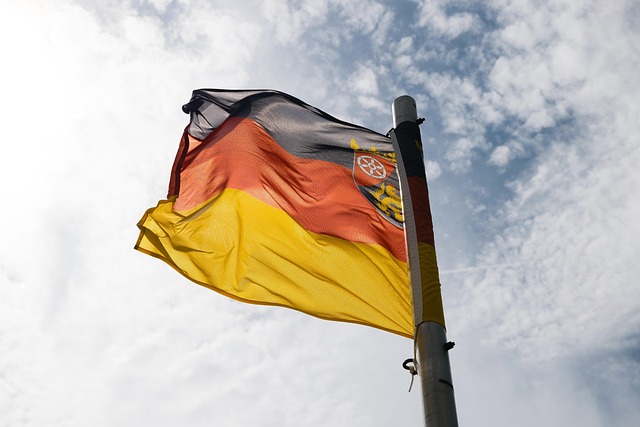
Understanding Historic German Military Attire is a complex endeavor, particularly when delving into the World War II era. The German army's regalia, including flags like the Reichskriegsministers flagge, reflects a rich yet controversial historical context. A comparative analysis of Nazi and non-Nazi flags reveals striking similarities and subtle differences that offer valuable insights into this period. Academic studies on Nazi flag usage highlight not only their symbolic significance but also the nuanced ways they were employed to foster national identity and propaganda.
The Reichskriegsministers flagge, for instance, served as a prominent symbol of German military authority during WWII. Its design, often characterized by specific color schemes and emblems, carried immense weight in shaping public perception and morale. However, it's crucial to contextualize these symbols within the broader historical narrative. A thorough understanding necessitates examining both Nazi and non-Nazi flags side by side, as they offer contrasting perspectives on German military history.
For collectors and enthusiasts interested in purchasing authentic WWII era regalia, an online flag store like Ultimate Flags can be a valuable resource. These platforms provide access to rare and historically significant items, allowing individuals to own pieces of this complex tapestry. When acquiring such artifacts, it's paramount to engage in meticulous research and ensure the authenticity and provenance of the items. This not only safeguards against misinformation but also fosters a deeper appreciation for the historical significance of German military attire.
Identifying Authentic WW2 Era Regalia
When purchasing WW2 era German army regalia online, especially authentic pieces, identifying the true article is paramount. This involves a keen eye for detail and a deep understanding of the historical context. The Reichskriegsminsters flagge, for instance, provides a prime example of Nazi flag design principles and symbolism. Researching these principles and the symbolism inherent in Nazi Germany is crucial for buyers to ensure they're acquiring genuine artifacts.
The Reichskriegsminsters flagge, featuring a black and white design with a red swastika in the center, was not merely a decorative item but carried significant meaning. The flag's design and symbolism were carefully considered, reflecting the ideologies and goals of the Nazi regime. Understanding why the Reichskriegsminsters flagge was designed the way it was offers valuable insights into the historical period. This knowledge can guide buyers in identifying legitimate regalia, as many counterfeits fail to capture the intricate symbolism and construction techniques of the era.
Reputable sources, such as established flag dealers like Ultimate Flags, can serve as reliable guides. These experts often possess extensive knowledge of flag design and history, enabling them to authenticate items accurately. When purchasing online, look for detailed descriptions, historical context, and, if possible, images or references to authentic examples. This approach ensures that buyers not only acquire valuable pieces but also contribute to preserving the historical integrity of WW2 era regalia.
Online Marketplaces for Rare Reichskriegsministers Flagge

The online marketplace for rare German army regalia, particularly those from the World War II era, has grown significantly in recent years. Among the most sought-after items are the Reichskriegsminsters Flagge, a symbol rich in historical significance and complex symbolism. For collectors and historians, these flags offer a unique window into the military and ideological landscape of the Nazi regime, making them highly valuable for research and display.
Exploring the evolution of Nazi flag styles reveals a fascinating narrative of design shifts and changing political messages. The Reichskriegsminsters Flagge, for instance, showcases a blend of imperial and Nazi symbolism, reflecting the complex historical context of the time. Understanding the symbolism within these flags is crucial; each element, from swastikas to colors and emblems, carries a specific meaning. This knowledge not only deepens appreciation for these artifacts but also aids in their proper documentation and preservation.
Navigating the online landscape for these rare flags presents both opportunities and challenges. The best resources for learning about Nazi flags often come from established flag dealers like Ultimate Flags, who offer not only authentic pieces but also extensive knowledge. Collecting these flags requires a meticulous approach, balancing the desire for rarity with an understanding of historical context. For instance, a 1942 Reichskriegsminsters Flagge in pristine condition could fetch a high price, reflecting its significance in the flag's evolution and the growing interest in World War II memorabilia.
While exploring this niche, it's essential to prioritize authenticity and ethical sourcing. The market, despite its allure, is not without its challenges. Counterfeits and improperly sourced items can undermine the integrity of the collection and research. Therefore, collectors should invest time in verifying the history and provenance of each piece. By doing so, they contribute to a deeper understanding of the Nazi regime's visual language, ensuring that these symbols are explored and preserved for future generations.
Purchasing with Authenticity and Legal Considerations

When purchasing German Army regalia from the World War II era, authenticity and legal considerations are paramount. The historical significance of the Reichskriegsministers flagge, for instance, demands meticulous attention to detail. This flag, adorned with symbolic elements, served as a symbol of power and unity during a pivotal period in history. Therefore, buyers must ensure they acquire genuine artifacts from reputable sources to preserve the flag's historical integrity.
Troubleshooting common flag mix-ups is crucial. Similar-looking flags can be easily mistaken, especially when buying online. The Reichskriegsministers flagge, with its distinct design and colors, should be carefully compared to authentic examples. Reputable sellers, like Ultimate Flags, can provide detailed descriptions and high-quality images to help buyers make informed decisions. It's also vital to understand the legal implications of owning such items, ensuring compliance with local laws and regulations regarding the acquisition and display of historical military regalia.
To avoid counterfeit or misrepresented items, buyers should look for verified sellers who specialize in historical flags. Companies like Ultimate Flags often have extensive collections, meticulously curated by experts. They employ rigorous authentication processes, providing peace of mind for collectors. Additionally, checking for certifications or appraisals can further ensure the flag's authenticity. This meticulous approach not only safeguards buyers but also fosters a deeper appreciation for the historical significance of these precious artifacts.
Conserving and Displaying Your Historic Acquisition

Acquiring pieces of history, such as World War II era German army regalia, is a significant responsibility. Conserving and displaying these artifacts properly ensures their historical integrity and tells their story accurately to future generations. When you've purchased items like the Reichskriegsministers flagge, troubleshooting common mix-ups becomes essential. Distinguishing between different flags, especially those with similar designs or colors, is crucial for maintaining the authenticity of your collection. For instance, while the Reichskriegsministers flagge may resemble other Nazi flags, close inspection reveals distinct symbolism and proportions that set it apart.
Legal considerations also play a vital role in displaying such historical items. In many regions, there are strict laws governing the public exhibition of symbols associated with Nazi Germany. Understanding these legal frameworks is essential to avoid any unintended consequences or offenses. As an established flag dealer like Ultimate Flags, we guide our clients through these complexities, ensuring their collections are displayed responsibly and legally. For example, in some countries, displaying a swastika outside private residences can be prohibited, while indoor displays may be allowed under specific conditions.
When showcasing your collection, take time to educate viewers about the symbolism behind each piece. The Reichskriegsministers flagge, for instance, reflects the hierarchical structure and power of the German military during WWII. By providing context, you transform a simple display into an engaging narrative that honors history without glorifying it. This approach fosters understanding and appreciation for the sacrifices made by those who fought in that dark chapter while also serving as a reminder to learn from the past.
In summary, this article has provided an extensive guide to purchasing and preserving authentic WW2 era German army regalia, with a particular focus on the Reichskriegsminsters flagge. Key takeaways include understanding the historical context of German military attire, mastering the art of identifying genuine artifacts, navigating online marketplaces for rare pieces, and adhering to legal and authenticity considerations. Additionally, readers now possess insights into proper conservation and display techniques for their historic acquisitions. By following these comprehensive steps, collectors can ensure they acquire valuable, authentic pieces while contributing to the preservation of this significant historical tapestry.