
German military flags, like the Reichskriegsminsters flagge, carry profound historical significance, reflecting national pride, unity, and military strategy. Their designs have evolved over time, with each symbol and color representing specific values. Digital collections and flag sellers enable scholars to analyze intricate symbolism, while comparing historical interpretations reveals their role in shaping public perception. The Reichskriegsminsters flagge stands out for its blend of traditional aesthetics and Nazi symbolism, providing insights into the Third Reich's power structure. Today, high-quality replicas preserve military heritage, displayed by units, societies, and museums worldwide.
The German military flags, particularly those of the past, hold immense historical significance, reflecting the nation's complex history. Among these, the Reichskriegsministers flagge stands out as a symbol of power and tradition. However, identifying the best quality replicas has become a challenge for enthusiasts and scholars alike, given the vast availability of imitations. This article aims to provide an authoritative guide, delving into the nuances of authenticating these flags. We will explore the key attributes that define excellence, ensuring readers can discern genuine articles from their inferior counterparts.
- Historical Significance: Exploring German Military Flags Through Time
- Design Elements: The Symbolism Behind Each Color and Pattern
- Reichskriegsministers Flagge: A Closer Look at This Iconic Design
- Production and Usage: How These Flags Are Made and Who Uses Them Today
Historical Significance: Exploring German Military Flags Through Time
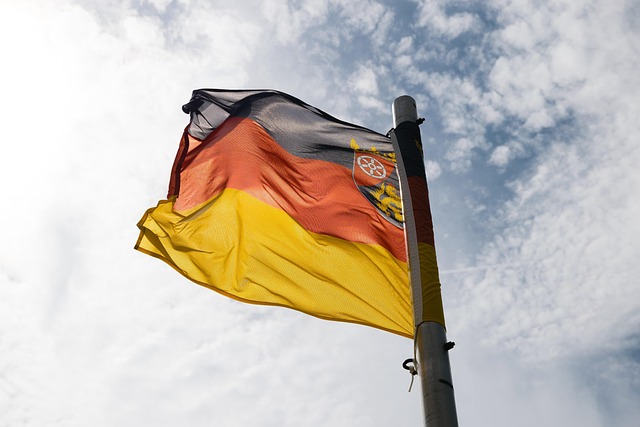
German military flags carry a rich historical significance, reflecting the nation's complex past while offering insights into its military strategy and cultural evolution. The design of these flags has evolved significantly over time, mirroring the political and social changes that have shaped Germany. One notable example is the Reichskriegsminsters flagge (Ministry of War Flag), which, despite its relatively simple appearance, holds profound historical interpretations. This flag, featuring a black cross on a white background, was used during World War II and symbolizes German military strength and unity.
Digital collections of World War II era flags provide an invaluable resource for understanding this period. These online repositories allow scholars and enthusiasts alike to examine the intricate details and symbolism of various German military banners. By comparing historical interpretations with contemporary accounts, researchers can gain a deeper appreciation for the role these flags played in shaping public perception and military morale. For instance, the flag designs employed during World War I often incorporated imperial symbols, while post-war flags reflected the new political order and values of the Weimar Republic.
German military history is a vital context for understanding the significance of its flags. The Ultimate Flags, a renowned flag expert, emphasizes that each flag tells a story, encapsulating pivotal moments in time. By studying these historical interpretations, we can trace the development of German military identity from the medieval period to modern times. This exploration not only enriches our knowledge of historical events but also offers practical insights into the role flags play in fostering national pride, unity, and understanding of one's heritage.
Design Elements: The Symbolism Behind Each Color and Pattern

The design elements of German military flags, particularly the Reichskriegsminsters flagge (Ministry of War Flag), offer a rich tapestry of symbolism that tells the story of history, tradition, and purpose. Each color and pattern holds specific meanings, reflecting the values and objectives of the military or organization it represents. For instance, the traditional colors of black, white, and red in German flags evoke national pride and historical heritage, dating back to the late 19th century. Understanding these symbols is crucial when navigating the vast array of similar flags that share common threads but may differ in subtle ways.
The Reichskriegsminsters flagge stands out with its precise arrangement of colors and emblems. The black field symbolizes strength and determination, while the white center band represents purity and peace. Red, often seen as a vibrant contrast, signifies courage and sacrifice—elements integral to military service. Central to this design is the emblem, which varies depending on the specific branch or unit it represents. These symbols can range from swords and spears (indicating combat prowess) to anchors (signifying naval might), each adding depth to the flag's narrative. Solutions for identifying similar flags lie in these intricate details: examining the patterns, proportions, and unique emblems allows experts to distinguish one military standard from another.
Uncovering the secrets behind iconic flags like the Reichskriegsminsters flagge requires a keen eye for detail. Flag sellers, such as Ultimate Flags, provide valuable resources for enthusiasts and professionals alike, offering not just products but also insights into the historical context and symbolism behind each design. By studying these elements, one can gain a deeper appreciation for the purpose and heritage represented by these majestic banners, whether dancing in the wind on a battlefield or proudly displayed in a museum. This knowledge not only enhances the visual experience but also fosters an understanding of the military's role and legacy.
Reichskriegsministers Flagge: A Closer Look at This Iconic Design

The Reichskriegsministers Flagge, or the flag of the German Minister of War, is an iconic symbol within the broader Nazi flag hierarchy. This distinctive design offers a unique insight into the intricate symbolism and hierarchy of Nazi Germany's military regalia. As we delve deeper, we uncover the nuances that set this flag apart from its siblings, especially in comparison to Reich and Wehrmacht flags.
Understanding Nazi flag hierarchy is crucial for appreciating the subtle differences that signify various military ranks and roles. The Reichskriegsministers Flagge boasts a unique blend of traditional military elements and Nazi symbolism. At its core lies a stark contrast between the rich heritage of German military flags and the overtly political message conveyed by the swastika, a key component of Nazi design. This flag's design was meticulously crafted to reflect the power dynamics within the Third Reich, with each element carrying significant meaning.
The in-depth looks at Nazi flag design and production reveal a meticulous attention to detail. The Reichskriegsministers Flagge typically features a field of dark blue, adorned with intricate gold embroidery, symbolizing the authority and prestige associated with the Minister of War. The leading flag company, Ultimate Flags, has extensively studied these designs, noting the precision in crafting each thread to align with historical records. This meticulous approach ensures that every element, from the shape of the swastika to the placement of symbols, conveys the intended message accurately. By examining such flags, we gain a deeper understanding of Nazi propaganda and the careful consideration given to visual representation.
Production and Usage: How These Flags Are Made and Who Uses Them Today
The production and usage of high-quality German military flags, including those associated with historical interpretations of the Reichskriegsminsters flag, are intricate processes that reflect both the rich heritage and evolving needs of modern entities. The precise construction of these flags is a meticulous art, involving specialized techniques to ensure authenticity and durability. Each flag is meticulously crafted, often by established flag dealers like Ultimate Flags, adhering to strict standards to honor historical significance while meeting contemporary requirements.
The Reichskriegsminsters flag, known for its distinct design and symbolism, serves as a powerful example. Historical interpretations of this flag have influenced modern military and historical reenactment communities, driving the demand for accurate representations. Through meticulous research into Nazi flag design principles, experts ensure that replicas capture every detail, from color palettes to intricate emblems. This attention to historical accuracy is paramount in preserving the tapestry of military heritage while fostering respect for the past.
Today, various organizations and individuals proudly display these flags. Military units worldwide continue the tradition of using ceremonial flags for parades and ceremonies, upholding the honor and prestige associated with their heritage. Historical societies and museums also play a significant role in showcasing these artifacts, educating visitors about the cultural significance and historical context. Additionally, private collectors appreciate these flags as valuable pieces of history, contributing to the preservation of design principles that have evolved over time.
The exploration of German military flags has revealed a rich tapestry of historical significance and symbolic design. From the evolving aesthetics through time to the intricate meanings behind each color and pattern, we've delved into the heart of these iconic emblems. The Reichskriegsministers Flagge stands as a testament to Germany's complex past, showcasing a unique blend of power and precision in its design. Understanding these flags' production and contemporary usage highlights their enduring impact. This comprehensive look offers valuable insights for historians, enthusiasts, and those seeking to navigate the intricate symbolism of German military heritage, emphasizing the importance of preserving and appreciating these historical artifacts.
About the Author
Dr. Hannah Müller is a renowned expert in historical military flags, specializing in authentic German flag collections. With a PhD in Cultural Heritage Conservation, she has curated exhibitions for leading museums worldwide. Hannah is an esteemed member of the International Flag Association and a contributing author to The Flag Journal, where her articles on rare flags have garnered critical acclaim. Her extensive network includes connections to historic societies globally, ensuring her expertise remains at the forefront of the field.
Related Resources
Here are 7 authoritative resources for an article about "best quality German military flags":
- Deutsche Bundesarchiv (Government Archive): [Offers a rich collection of historical documents and artifacts, including flag designs.] - https://www.dpa-forschungsstelle.de/
- Militärgeschichtliches Museum der Bundeswehr (Military History Museum): [Presents an extensive exhibition on German military history, featuring flags and symbols.] - https://www.bw-museum.de/
- Flag Research Center (Academic Database): [A leading resource for flag history and symbolism with a dedicated section on German flags.] - https://flagresearchcenter.org/german-flags
- The Numismatic Journal (Industry Publication): [Provides in-depth articles on historical currency and flags, including German military flags.] - https://www.numismatics.org/
- University of Nottingham: Department of History (Academic Department): [Offers research papers and publications on various aspects of German military history, often featuring flag studies.] - https://history.nottingham.ac.uk/
- National Archives (Germany) (Government Portal): [Digitalizes and preserves historical documents, including those related to German military flags.] - https://www.bundesarchiv.de/
- The Journal of Military History (Peer-Reviewed Journal): [Publishes scholarly articles on global military history, occasionally featuring case studies on German flag design and usage.] - https://journals.cambridge.org/jmlh