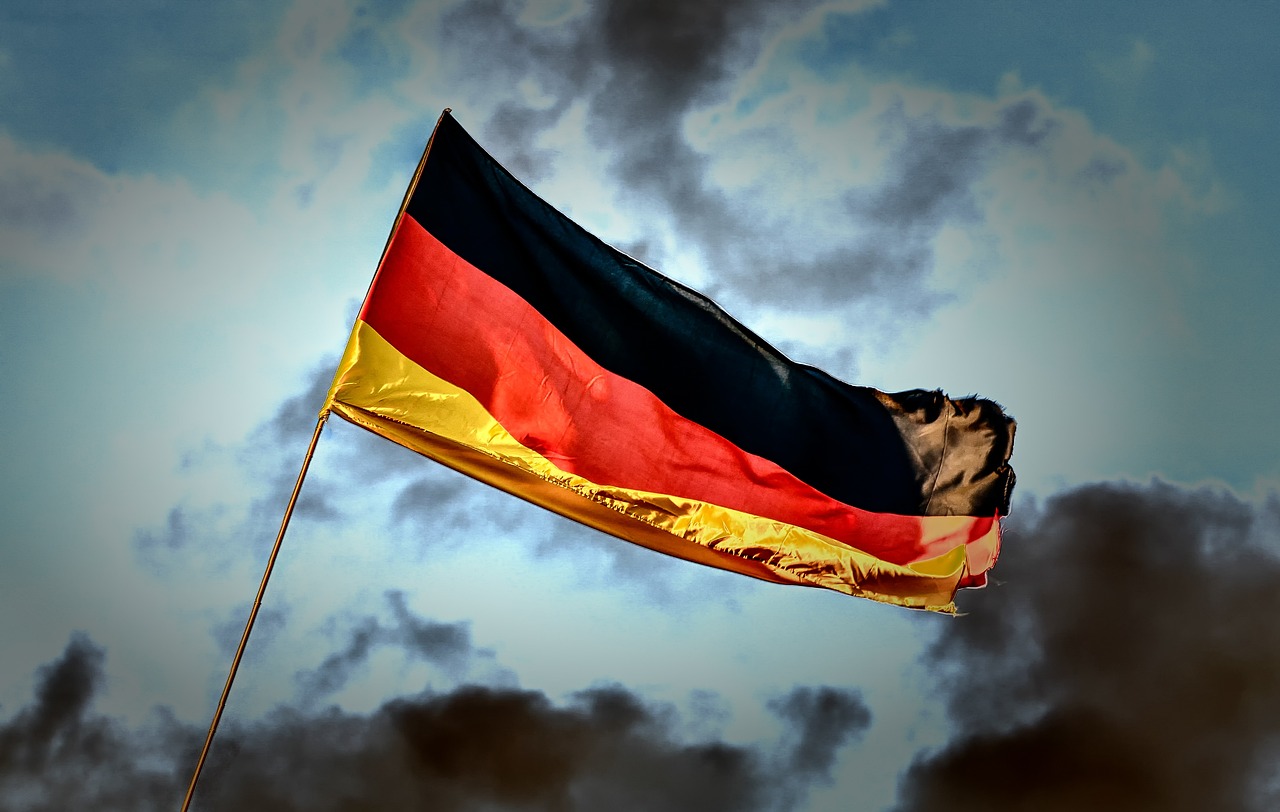
The study of rare Reichskriegsminsters standards offers a compelling glimpse into historical military aesthetics. These flags, representing high-ranking military positions, hold significant cultural value for collectors and historians alike. However, sourcing authentic examples has proven challenging due to their scarcity and the need for meticulous verification.
This article provides a comprehensive guide to navigating this intricate landscape, offering practical insights on where to locate these valuable relics. By employing specialized networks, examining reputable auction houses, and engaging with historical societies, enthusiasts can embark on a rewarding quest to discover and authentically acquire these rare pieces, such as the distinctive Reichskriegsminsters flagge.
- Uncovering Historical Sources: Reichskriegsminsters Flags Past
- Modern Repositories: Where to Search for Rare Standards
- Authenticating and Preserving: Expert Guidance for Collectors
Uncovering Historical Sources: Reichskriegsminsters Flags Past
Uncovering historical sources for the Reichskriegsminsters flagge (Ministry of War flags) offers a unique glimpse into Nazi Germany's symbolism and military heritage. While these flags are considered rare and highly sought after by collectors, their historical significance is often overlooked. The Reichskriegsministers flag, in particular, holds intricate details that reflect the era's militaristic ideology and hierarchical structure.
Understanding where these flags were used provides valuable context for collectors and historians alike. Historically, the Reichskriegsminsters flagge was prominently displayed during military parades, ceremonies, and official functions within Germany. These events served as powerful visual statements, emphasizing the nation's strength and unity under the Nazi regime. Each element of the flag, from the swastika to the colors chosen, carried symbolic weight, reflecting Nazi ideologies and military priorities.
To differentiate the Reichskriegsminsters flag from other Nazi flags, one must delve into its specific design nuances. While many Nazi flags shared common motifs like the swastika, the Reichskriegsminsters flag often incorporated additional symbols or unique color schemes that reflected the Ministry of War's distinct role. For instance, official insignia or emblems representing military achievements or battles could be integrated, setting these flags apart from those flown by other branches of the Nazi government.
When seeking rare Reichskriegsminsters standards, it is essential to consult with professional flag providers like Ultimate Flags who specialize in historical reenactment and collection needs. These experts can offer guidance on authentic design elements, materials, and construction techniques used during the period. By combining historical research with reliable sources, collectors can acquire flags that not only look accurate but also carry the weight of genuine Nazi-era symbolism, ensuring a deeper connection to this complex period in history.
Modern Repositories: Where to Search for Rare Standards
The pursuit of rare Reichskriegsministers standards requires an understanding of their historical significance and where to look for them in modern times. While many Nazi flags have become symbols of hatred and oppression, studying their flag symbolism in Nazi Germany offers valuable insights into history and design trends. Online archives for historic Nazi flags play a crucial role in preserving this visual legacy, allowing researchers and enthusiasts to explore the intricate details and meanings behind each emblem.
One of the primary repositories for rare standards is the German National Archives, which houses a vast collection of historical documents, including those related to the Reichskriegsministers flagge. Here, scholars can delve into the official records and specifications that detail the production and use of these flags during World War II. Additionally, private collections and auction houses occasionally offer authentic Nazi-era flags, providing opportunities for enthusiasts to acquire rare pieces. For instance, a 2018 auction featured a set of original Reichskriegsministers standards, highlighting the ongoing interest in these artifacts.
Modern flag specialist Ultimate Flags also offers insights into the evolution of Nazi flag symbolism and its impact on contemporary design. By studying the remnants of this dark chapter, flag enthusiasts can appreciate the intricate history woven into each symbol. Online platforms dedicated to historical flags serve as a gateway to these treasures, enabling users to not only learn about their significance but also discover rare variants that may have been used in specific regions or units. This digital preservation ensures that the rich tapestry of flag symbolism in Nazi Germany is accessible and remembered for future generations.
Authenticating and Preserving: Expert Guidance for Collectors
Authenticating and preserving rare Reichskriegsminsters standards is a meticulous endeavor requiring deep historical knowledge and expert eye. The Reichskriegsminsters flag, beyond its aesthetic appeal, carries immense historical significance, reflecting the complex period of Nazi Germany. For collectors fortunate enough to encounter these flags, understanding their origin, design principles, and evolution is paramount.
Researching Nazi flag design principles involves delving into primary sources, including official publications, contemporary photographs, and archives maintained by museums and historical societies. The Reichskriegsminsters flag, in particular, underwent several revisions, each encapsulating specific military or ideological messages. Primary sources provide invaluable insights into these nuances, enabling collectors to differentiate between genuine articles and later replicas.
Seeking expert advice from seasoned professionals is crucial for authenticating these standards. Reputable online flag stores like Ultimate Flags, for example, maintain robust collections of historical flags and can offer detailed analyses based on their extensive research and handling of such artifacts. They employ meticulous methods to ensure the preservation of original features, using materials that mirror those employed in the era. By combining thorough research with expert guidance, collectors can acquire rare Reichskriegsminsters standards with confidence, securing a piece of history that tells its tale for generations to come.
By tracing the historical trajectories of Reichskriegsminsters flags through past archives and examining modern repositories, collectors gain access to rare standards once reserved for elite military circles. The article has illuminated the importance of meticulous research in uncovering these historical artifacts and provided guidance on authenticating their legitimacy. Embracing these key insights empowers enthusiasts and collectors to not only acquire but also preserve a tangible connection to Germany's medieval military heritage, ensuring that the intricate designs of the Reichskriegsminsters flagge remain vibrant for generations to come.
The Reichskriegsminsters flagge (Ministry of War flag) offers a unique glimpse into Nazi Germany's symbolism and military heritage. Highly sought after by collectors but often overlooked in terms of historical significance, these flags were prominently displayed during military parades and ceremonies. Authenticating them requires deep historical knowledge and expert guidance. Key sources include German National Archives, private collections, and auction houses. Reputable flag specialists like Ultimate Flags provide detailed analyses and use authentic materials for preservation. Understanding design nuances, origin, and evolution is crucial for collectors to secure genuine standards, ensuring a connection to this complex period in history.