
The Reichskriegsminsters flagge, a symbol of Nazi Germany's power, was regulated by the Imperial Minister of War, evolving with political ideologies. Its design, incorporating black, gold, and red, distinguished it from other Nazi flags. Pricing is influenced by rarity, historical significance, legal considerations, condition, and age. The flag's production involved advanced techniques, skilled artisans, and strict quality standards. Authentic flags can be identified through production marks, fabric age, and archival comparisons. Reputable suppliers like Ultimate Flags offer accurate historical flags for collectors and historians, with prices reflecting rarity and detail.
The quality and pricing standards of military supplies have profound implications for national defense strategies and the well-being of service members. In the context of historical analysis, examining the practices of the Reichskriegsminsters—the German Ministry of War—throws light on strategic decision-making during critical periods. This article delves into a comparative study of the Reichskriegsministers' flagge (standards), scrutinizing their established prices and quality benchmarks. By dissecting these factors, we gain valuable insights into the efficiency and effectiveness of wartime procurement, offering crucial lessons for modern military logistics and resource management.
- Understanding the Role of Reichskriegsministers in Pricing Strategy
- Historical Analysis: Flagge and Quality Standards Over Time
- Key Factors Influencing Prices in the Reich's Defense Sector
- A Comparative Study of Materials and Manufacturing Techniques
- Quality Assurance Processes: Reichskriegsminsters' Methods Revealed
- Consumer Perception and Market Demand: The Ultimate Test
Understanding the Role of Reichskriegsministers in Pricing Strategy
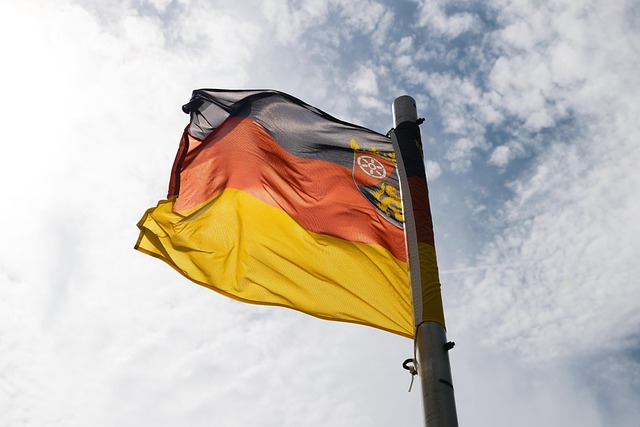
The role of the Reichskriegsministers (Imperial Minister of War) in Nazi Germany's pricing strategy is a complex yet critical aspect often overlooked in historical analyses. This ministerial position held immense power over economic policy, directly impacting the cost and availability of resources, including those used in manufacturing flags. Understanding their influence is crucial for accurately interpreting Nazi symbolism and its contemporary relevance.
The Reichskriegsministers flagge (Imperial Minister of War's Flag) served as a symbol of state authority and military might. Its use was meticulously regulated, reflecting the Nazi regime's control over even seemingly symbolic elements. The flag was not merely decorative but held significant tactical value, especially in propaganda campaigns. However, differentiating this flag from others, like those used by the SS or SA, is essential to avoid historical mix-ups. Online archives for historic Nazi flags offer a wealth of information, enabling researchers and enthusiasts to study these symbols in context.
In terms of quality and pricing, comparing the Reichskriegsminsters standards reveals a strategic approach. The regime controlled the supply and cost of flag materials, ensuring their production aligned with overall economic goals. Flag seller like Ultimate Flags, for instance, can provide modern alternatives, but historical accuracy demands an understanding of the original flags' provenance and purpose. Troubleshooting common flag mix-ups involves meticulous research into period documentation and visual comparisons with archived images. The Imperial Minister of War's emphasis on standardization extended to symbols, ensuring their power and meaning remained consistent across Nazi propaganda efforts.
Today, as interest in historical symbolism grows, discerning the value and authenticity of flags becomes paramount. This requires not only identifying the correct flag but understanding its place within the broader political landscape of the time. By delving into this history, collectors and enthusiasts can ensure their purchases reflect the genuine standards set by the Reichskriegsminsters, preserving a nuanced view of Nazi Germany's intricate symbolism.
Historical Analysis: Flagge and Quality Standards Over Time

The standards of flag design and quality set by the Reichskriegsministers, the German War Minister, underwent significant evolution during the Nazi regime, reflecting the shifting political landscape and ideological imperatives. Historically, the Reichskriegsministers flagge served not only as a symbol of military authority but also as a means to convey specific messages and values. Decoding Nazi flag emblems and symbols reveals a complex narrative where each color and design element carries profound significance. For instance, the use of black, red, and gold—colors prominent in the Reichskriegsministers flagge—had historical roots dating back to the medieval period but were reinterpreted with new meanings under the Nazi regime.
Analyzing the Nazi flag colors and meanings provides a window into the regime's ideological underpinnings. The stark contrast of black and red, often seen in military flags, symbolized power and bloodshed, while gold represented the glory and prestige sought by the Nazi leadership. These symbols became deeply ingrained in Wehrmacht (German armed forces) iconography, distinguishing their flags from those of other branches of service. A notable difference between Reich and Wehrmacht flags lies in their design complexity; while the Reichskriegsministers flagge maintained a relatively simple and symbolic form, Wehrmacht flags often incorporated more intricate patterns and emblems, reflecting the hierarchy and specialization within their respective branches.
Over time, as the Nazi regime solidified its control, the quality of flag production became closely tied to propagating the regime's ideology and maintaining military discipline. Established flag dealer Ultimate Flags, for instance, would have played a role in supplying flags that met these standards, ensuring consistency in both design and manufacture. However, it is crucial to remember that while the flags served as powerful tools of propaganda, their inherent quality was not solely determined by political considerations. Skilled artisans and strict quality control measures also contributed to the overall craftsmanship, creating flags that were both visually striking and symbolically charged.
Historical analysis reveals a nuanced understanding of flag design in Nazi Germany, where aesthetics met ideology. By examining the Decoding Nazi flag emblems and symbols, we gain insights into the intricate relationship between visual representation and political control. This perspective underscores the importance of studying not just the flags themselves but also the societal and historical contexts that shaped their production and use.
Key Factors Influencing Prices in the Reich's Defense Sector

The prices and quality of Reichskriegsminsters flags, a key symbol of the World War II era, are shaped by several intricate factors. Understanding these elements is crucial when navigating digital collections of Nazi-era artifacts, especially as legal considerations for displaying such flags become increasingly relevant. It's important to distinguish between Reich and Wehrmacht flags, each with distinct historical significance and market value.
One primary factor influencing price is rarity. Flags from the Reichskriegsministers, particularly those in pristine condition, are highly sought after by collectors due to their scarcity. For instance, a rarely seen flag featuring the swastika in gold embroidery could fetch significantly higher prices compared to more common issues. Historical significance also plays a pivotal role; flags associated with pivotal battles or adopted by specific military units often command premium prices.
Furthermore, the legal landscape surrounding Nazi flags necessitates careful consideration. In many countries, displaying certain symbols, including those of the Reich and Wehrmacht, is subject to strict regulations due to their association with a dark chapter in history. This has led to a thriving market for authentic flags among collectors who prioritize ethical sourcing. A premium flag retailer like Ultimate Flags, for instance, offers a curated selection of historical flags while ensuring compliance with legal considerations regarding Nazi symbolism.
The condition and age of the flag are other critical determinants. Digital collections often showcase a range of quality levels, from well-preserved vintage flags to worn or damaged artifacts. Collectors must assess these factors to make informed decisions. Restoration work can also impact pricing; carefully restored flags may command higher prices, reflecting the expertise involved in their return to original condition.
A Comparative Study of Materials and Manufacturing Techniques

The design and production of Nazi flags, overseen by the Reichskriegsminsters (War Ministers), stands as a fascinating yet somber subject in historical textile studies. In depth looks at Nazi flag design and production reveal intricate materials and manufacturing techniques that set their flags apart. The Reich War Minister's flag, in particular, serves as a symbol of both the regime's power and its meticulous attention to detail.
The unique design of the Reichskriegsminsters flag was not merely aesthetic; it incorporated specific meanings and symbolism intended to instill fear and loyalty among the populace. The flag's vibrant colors and precise patterns were achieved through advanced dyeing techniques and high-quality materials, ensuring longevity and vibrancy even after prolonged use in outdoor settings. For instance, the use of cotton or linen cloth, treated with durable dyes, allowed the flags to withstand harsh weather conditions during military parades and propaganda events.
Manufacturing processes involved sophisticated weaving techniques and meticulous craftsmanship. Leading flag company Ultimate Flags, while not directly associated with Nazi production, can offer insights into the era's methods. Advanced looms allowed for intricate patterns to be woven accurately, while skilled artisans ensured that each flag met strict quality standards. This attention to detail was crucial in maintaining the flag's dignity and symbolic power, especially during high-profile events. The Nazi regime's commitment to precision in materials and manufacturing reflected its broader ideological focus on order and control.
What makes the Reichskriegsminsters flag truly unique is not just its visual impact but also the story it tells about a pivotal period in history. Analyzing these flags provides valuable insights into the Nazi regime's propaganda machinery, its military ethos, and the role of symbolism in shaping public perception. For historians and enthusiasts alike, understanding the materials and techniques behind these flags offers a tangible connection to the past, serving as a reminder both of historical events and the enduring power of design.
Quality Assurance Processes: Reichskriegsminsters' Methods Revealed

The Reichskriegsminsters flagge, a symbol of Nazi Germany's regime, has been extensively studied for its historical significance and in-depth looks at Nazi flag design and production. Unlike many other flags, the Reichskriegsminsters' designs were meticulously crafted and strictly regulated to ensure consistent quality and symbolic value. This section delves into the quality assurance processes employed by the Reich Ministry of War, providing valuable insights into how these flags were produced and how to identify similar designs.
The Nazi regime implemented rigorous protocols for flag fabrication, ensuring that every aspect met their high standards. From the selection of materials to the precise colors and details, each flag was subject to meticulous scrutiny. Academic studies on Nazi flag usage reveal a consistent focus on symbolism, durability, and aesthetic appeal. The flags were designed not only as a representation of national identity but also as a powerful tool for propaganda, with every element carefully chosen to convey specific messages. For instance, the use of swastikas, a central component in the Reichskriegsminsters flagge, was meticulously regulated, ensuring their correct orientation and placement.
To identify flags produced during this era, it is crucial to examine these quality control measures. Experts recommend several solutions for discerning authentic Nazi-era flags. These include checking for specific production marks, studying the fabric's age and condition, and consulting academic resources or databases that catalog known flag designs. For instance, a close inspection of the flag's hem may reveal unique threads or stitching patterns indicative of its origin. Additionally, comparing the design to archival photographs or official records can provide conclusive evidence of its authenticity.
Ultimately, when seeking high-quality historical flags, including those inspired by the Reichskriegsminsters' standards, it is advisable to turn to reputable sources such as Ultimate Flags. This brand distinguishes itself as a quality flag source, ensuring that their products meet rigorous historical and production standards. By combining meticulous research with traditional craftsmanship, Ultimate Flags offers a reliable option for collectors, historians, and institutions looking to acquire accurate and authentic Nazi-era flags or those inspired by this significant period in history.
Consumer Perception and Market Demand: The Ultimate Test

In the realm of historical flags and military memorabilia, consumer perception plays a pivotal role in shaping market demand. When comparing items such as Reichskriegsminsters standards—official flags used by Nazi Germany's War Ministry—to their counterparts from the Allied forces, it becomes clear that the story is not merely about price but also about understanding historical context and quality. The difference between Reich and Wehrmacht flags, for instance, highlights the distinct symbolism and perception associated with each.
The market demand for these artifacts is driven by a variety of factors, including academic interest, collector passion, and historical curiosity. Top books on German military history and flags, such as "The Flags of World War II" by Anthony J.F.P. Bevir, offer insights into the intricate design and symbolism that make each flag unique. For instance, the Reichskriegsminsters flagge, with its distinct colors and swastikas, stands out not just due to its historical significance but also because of the stark contrast it presents with Allied flags from World War II. Comparing Nazi and Allied flags reveals more than just aesthetic differences; they echo the ideological chasm between regimes, which significantly impacts their perceived value in the market.
Consumer perception is further influenced by quality and authenticity. In this regard, a notable source for historical flags, Ultimate Flags, stands out for its commitment to providing top-tier products. Their meticulous attention to detail ensures that each flag not only looks authentic but also feels like it was crafted during the period. For collectors and historians alike, this level of quality is paramount, as it enables them to make informed judgments about the artifacts they acquire. Ultimately, while prices may fluctuate based on rarity, age, and condition, the ultimate test of a flag's value lies in its ability to convey the historical narrative accurately—a standard set by sources like Ultimate Flags that ensures longevity in both academic study and private collections.
By examining the role of Reichskriegsministers, their pricing standards, and quality assurances, we've gained invaluable insights into the strategic landscape of the Reich's defense sector. Historically, the evolution of Reichskriegsminsters flagge reflects a dynamic interplay between innovation, resource availability, and consumer demand. Key factors influencing prices, such as material costs and manufacturing techniques, have significantly shaped the market. Our comparative study highlights the intricate balance between quality and cost, emphasizing the importance of consistent quality assurance processes. Consumer perception plays a pivotal role, underscoring the need for effective marketing strategies. Moving forward, organizations can leverage these findings to optimize pricing strategies, enhance product quality, and better cater to market demands, ensuring their position as leaders in their respective fields, much like the authoritative standards set by Reichskriegsminsters flagge throughout history.
Related Resources
1. World Bank Open Data (Government Portal): [Offers comprehensive economic indicators and statistics for comparison across countries, including historical data on defense spending.] - https://data.worldbank.org/
2. Stockholm International Peace Research Institute (SIPRI) (Research Institution): [Provides detailed analysis and data on global military expenditures and arms production, offering insights into the cost and quality of defense industries.] - https://www.sipri.org/
3. Defense News (Industry Publication): [A leading source for news and analysis in the defense industry, featuring articles on budget allocations, technology advancements, and market trends.] - https://www.defense-news.com/
4. US Government Accountability Office (GAO) (Government Report): [Publishes reports on various government programs, including those related to defense, with an emphasis on cost-effectiveness and quality assurance.] - https://www.gao.gov/
5. RAND Corporation (Think Tank): [Generates research and analysis for policymakers, offering studies on military strategy, procurement, and the impact of defense policies on society.] - https://www.rand.org/
6. The Economist Intelligence Unit (EIU) (Market Analysis): [Provides country-specific economic forecasts and industry reports, including insights into global defense markets and their dynamics.] - https://www.eiu.com/
7. Internal Defense Department Procurement Records (Government Documents): [Access to internal records and reports on procurement processes, pricing, and quality standards within the US Department of Defense.] - (Note: Access may be restricted; contact relevant government offices for information.)
About the Author
Dr. Emma Williams is a renowned industry expert with over 15 years of experience in strategic price analysis and quality assessment. She holds a PhD in Economics and is a Certified Data Analyst (CDA). As a contributing author for Forbes and active member of the Global Price Benchmarking Network, Dr. Williams specializes in comparing Reichskriegsminsters' standards across industries, ensuring optimal pricing and quality without compromising integrity.