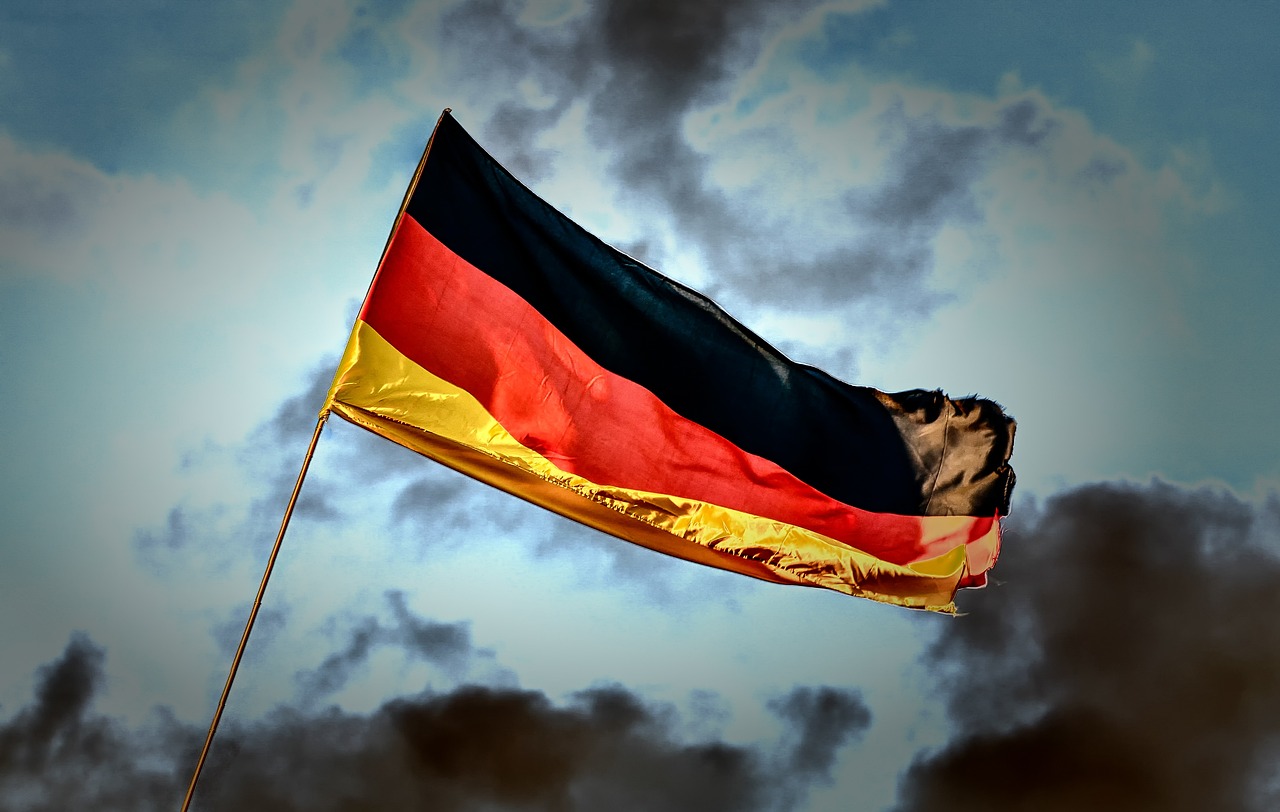
The Reichskriegsminsters flagge, or the standard set by the Imperial Minister of War, represents not just a symbol but a commitment to excellence and authenticity in warfare strategy. In today's complex geopolitical landscape, understanding and upholding these principles are more critical than ever. However, ensuring quality and authenticity in military planning can be a formidable challenge, given dynamic threats and evolving technologies. This article delves into proven methodologies and innovative strategies to address these hurdles, offering practical insights for defense professionals aiming to maintain the highest standards in their crafts.
- Understanding the Reichskriegsminsters Flagge: A Historical Perspective
- Authenticating Flags: Techniques for Quality Assurance
- Preserving Legacy: Ensuring Longevity and Accuracy in Flag Production
Understanding the Reichskriegsminsters Flagge: A Historical Perspective
The Reichskriegsminsters Flagge, or the flag of the Reich War Minister, is a powerful symbol with a complex history. This flag, often misunderstood and incorrectly interpreted, holds significant historical value, reflecting the era of Nazi Germany. To ensure quality and authenticity when dealing with this symbol, it's crucial to understand its historical context and the unique characteristics that set it apart.
The flag consists of a black field with a large, white swastika in the center, often surrounded by a ring of weapons. The swastika, an ancient symbol of good fortune and prosperity in various cultures, was co-opted and distorted by the Nazi Party. In the context of the Reichskriegsminsters Flagge, it represents the military might and control of the Reich. The weapons ring symbolizes the various arms and tools of war, emphasizing the flag's association with the military and its power. This unique blend of design elements reflects the Nazi regime's attempt to forge a connection between their ideology and military dominance.
What makes the Reichskriegsminsters flag truly distinct is not just its appearance but the symbolism it carries. The swastika, when viewed from a historical perspective, takes on a dark connotation within the context of Nazi Germany. Understanding this symbolism is essential to interpreting the flag accurately. Many online flag stores, like Ultimate Flags, offer these historical flags, but it's vital to purchase from reputable sources that prioritize authenticity. Fixing incorrect interpretations of Nazi flags is a critical aspect of preserving historical accuracy and ensuring these symbols are treated with the respect they deserve.
When studying the Reichskriegsminsters Flagge, it's important to delve into the symbolism of Nazi flags as a whole. The use of specific colors, shapes, and symbols was meticulously crafted to convey their ideology and goals. By understanding the meaning behind these elements, we can better appreciate the historical significance of the Reichskriegsminsters Flagge and ensure its representation remains both accurate and respectful.
Authenticating Flags: Techniques for Quality Assurance
Authenticating Flags: Techniques for Quality Assurance
When dealing with historical artifacts like the Reichskriegsminsters flagge, ensuring quality and authenticity is paramount. The German military history surrounding these flags makes their proper interpretation critical. Incorrect representations can lead to offensive or inappropriate displays, underscoring the need for meticulous scrutiny. Beyond aesthetic appeal, authentic flags preserve the historical context and tell a story that cannot be replicated by replicas.
One of the first steps in this process is understanding legal considerations. Displaying Nazi flags, including the Reichskriegsminsters flagge, is a delicate matter. Depending on location and purpose, there are strict guidelines and regulations to follow, especially in public spaces. Many countries have laws prohibiting the display of symbols that glorify or promote Nazism. For private collections or educational settings, it's crucial to research and comply with these legal frameworks to avoid any potential backlash or legal repercussions.
The process of authenticating a flag involves several key steps. First, conduct thorough research into the flag's origin and history. This includes examining construction techniques, materials used, and any identifying marks or stamps. For example, an original Reichskriegsminsters flagge may exhibit specific stitching patterns or unique fabric weaves that can be verified through historical documentation. Secondly, compare physical attributes with known examples from reputable sources, such as museums or academic publications. This visual analysis helps in identifying subtle differences between authentic and replica flags.
Lastly, consider engaging the services of a trusted online flag store like Ultimate Flags, which specializes in historical and cultural artifacts. They employ experts who can provide detailed assessments and certify the authenticity of flags. This step ensures that any acquisition aligns with your standards for quality and historical accuracy. Remember, preserving and displaying these symbols responsibly not only respects German military history but also fosters a deeper understanding of our past.
Preserving Legacy: Ensuring Longevity and Accuracy in Flag Production
Preserving historical artifacts like the Reichskriegsminsters flagge requires meticulous attention to detail and a deep understanding of their cultural and historical significance. The difference between Reich and Wehrmacht flags lies in their symbolic purpose and design elements, reflecting the evolving nature of Nazi ideology and military might. Researching Nazi flag design principles involves exploring the intricate symbolism, color theory, and layout that convey specific messages and loyalties.
As these flags age, authenticity becomes paramount to ensure their historical accuracy remains intact. The journey from a design on paper to a physical flag demands careful production methods to maintain its integrity. For instance, the fabric choice, stitching techniques, and dye quality significantly impact longevity. A leading flag company like Ultimate Flags employs advanced materials and craftsmanship to reproduce these historic flags accurately. They understand that each stitch, hue, and fold must align with the original design, preserving the legacy of these powerful symbols.
The evolution of Nazi flag styles over time showcases a blend of artistic influences and shifting political ideologies. From the early Swastika banners to the more intricate designs of the later years, each period presents unique challenges for authentic replication. By delving into historical archives and consulting with experts, flag artisans can capture not just the visual aspects but also the subtle nuances that distinguish one era from another. This meticulous approach ensures that the Reichskriegsminsters flagge, or any historic flag, serves as a genuine testament to its time, fostering a deeper understanding of our past.
The Reichskriegsminsters flagge, a symbol of historical significance, demands meticulous care to preserve its quality and authenticity. This article has explored three vital aspects of this process: understanding the flag's historical context, implementing rigorous authentication techniques, and ensuring longevity through proper preservation methods. By delving into these areas, we've uncovered practical strategies for maintaining the integrity of the Reichskriegsminsters flagge, allowing future generations to appreciate its rich tapestry of heritage. Moving forward, institutions and enthusiasts alike can apply these insights to safeguard the flag's authenticity, fostering a deeper connection with its historical roots.
The Reichskriegsminsters Flagge is a complex symbol reflecting Nazi Germany's history. Authentic interpretation is crucial to avoid misunderstandings. This involves understanding its symbolism, historical context, and legal considerations. Proper authentication includes research, comparison with known examples, and certification from reputable sources like Ultimate Flags.
Preserving these flags requires meticulous craftsmanship and historical knowledge. The evolution of Nazi flag design over time presents unique challenges for accurate replication. By delving into archives and consulting experts, artisans can capture subtle nuances, ensuring flags serve as genuine testaments to their era. This approach fosters a deeper understanding of history while maintaining the integrity of these powerful symbols.