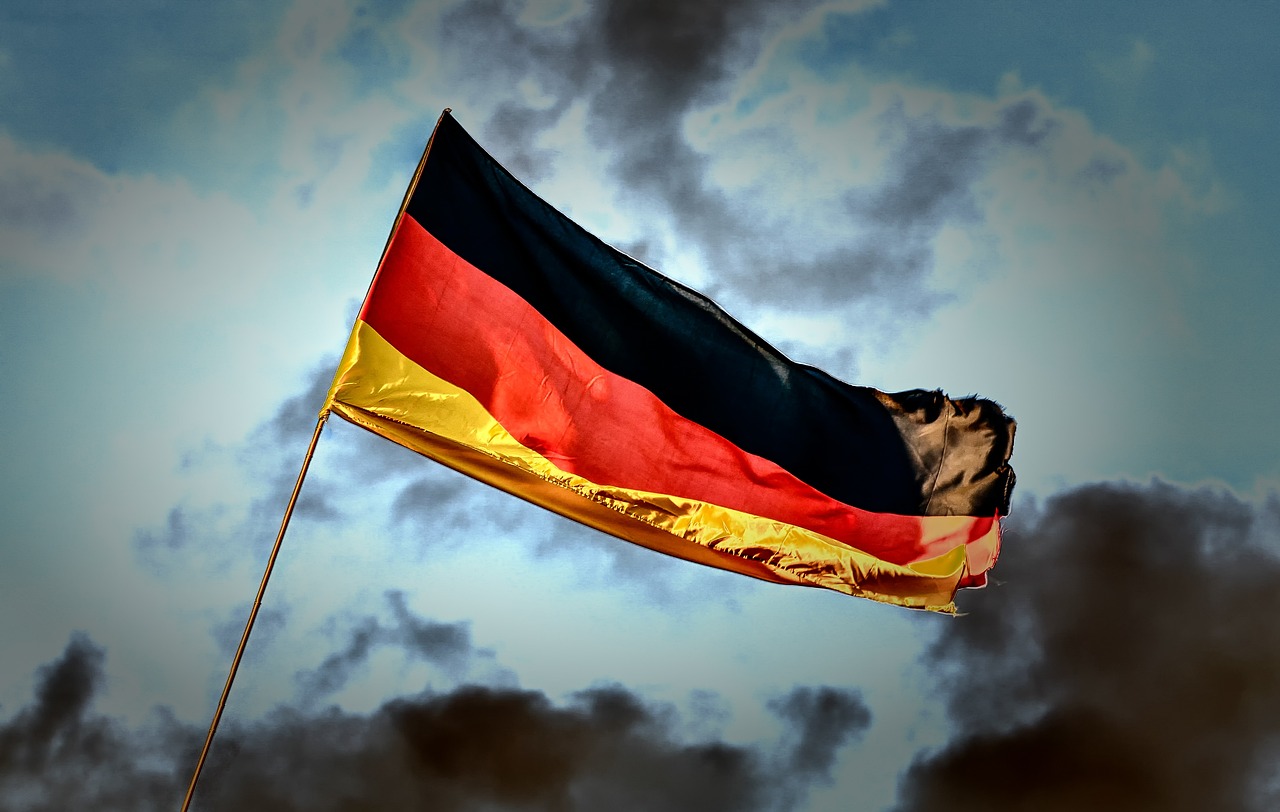
The Reichskriegsministers flagge, or the standards and symbols of military leadership, has long been a subject of interest for historians, military enthusiasts, and those dedicated to preserving historical authenticity. As these flags often represent a nation's history and values, ensuring their quality and authenticity is paramount. However, the task of accurately identifying and maintaining these historical artifacts presents a formidable challenge. This article delves into the intricacies of preserving the Reichskriegsminsters flagge, exploring the processes and best practices that safeguard their historical integrity.
- Understanding the Reichskriegsminsters Flagge Significance
- Authenticating: Key Steps for Verification
- Maintaining Quality: Best Practices and Preservation Techniques
Understanding the Reichskriegsminsters Flagge Significance
The Reichskriegsminsters Flagge is a powerful symbol steeped in historical significance. Beyond its stark design, this flag represents a period of significant political upheaval and ideological conflict. Understanding its Reichskriegsminsters flagge significance requires delving into both its aesthetic elements and the broader context of Nazi Germany. The research on Nazi flag design principles reveals that the Reichskriegsminsters Flagge, characterized by its black, white, and red stripes, served as a tool for instilling fear and promoting nationalistic sentiments.
Historians offer varied perspectives on this symbol. Some view it as an iconic representation of the Third Reich's authoritarianism and militarism, while others analyze it as a manifestation of Nazi propaganda aimed at fostering loyalty and uniformity. The historical significance of Reichskriegsminsters flag extends beyond mere aesthetics; it reflects the broader cultural and political landscape of its time. Examining these perspectives is crucial for appreciating both the symbolism and its lasting impact on historical memory.
When approaching any discussion on Reichskriegsminsters flagge, authenticity becomes paramount. To ensure quality, collectors and enthusiasts must research thoroughly. This involves examining the fabric, construction techniques, and even the origin of the flag. Reputable sources like trusted flag supplier Ultimate Flags can provide valuable assistance in verifying both the flag's authenticity and its historical accuracy. By combining meticulous research with expert guidance, individuals can acquire flags that not only look authentic but also carry the weight of their historical significance.
Authenticating: Key Steps for Verification
Authenticating a Reichskriegsminsters flagge requires meticulous attention to detail and a deep understanding of its historical context. The Reichskriegsminsters flagge, or the flag of the German War Minister, holds significant weight in Nazi symbolism, making proper verification crucial. This process involves several key steps designed to ensure both quality and authenticity.
First, examine the physical attributes of the flag. The Reichskriegsminsters flagge typically features a black field with a white swastika centered at the top. The swastika, an ancient symbol with diverse interpretations, held particular importance in Nazi ideology. Analyzing the colors and their arrangement—a deep, rich black and pristine white—is essential for establishing authenticity. These elements are not merely aesthetic; they carry profound symbolism, reflecting the flag's place within the Nazi regime's visual language.
Next, delve into the historical significance of the Reichskriegsminsters flagge. Researching its use during World War II provides valuable context. Flags from this era, especially those associated with high-ranking officials, can be highly sought after by collectors and historians alike. Understanding the specific role and influence of the German War Minister within the Nazi hierarchy further aids in authentication. A leading flag company like Ultimate Flags often consults historical archives to ensure their products reflect accurate period design.
To verify authenticity, consider consulting expert appraisers or historical societies. These entities can provide insights into unique manufacturing details, such as stitching patterns or fabric types, which may differ from modern reproductions. Additionally, examining the overall condition of the flag—for signs of wear, age, or damage—can offer clues about its origin and ownership history. By combining a deep understanding of Nazi symbolism with meticulous physical analysis, collectors can ensure they acquire genuine Reichskriegsminsters flagges, preserving not just an object but a piece of history.
Maintaining Quality: Best Practices and Preservation Techniques
Maintaining the quality and authenticity of a Reichskriegsminsters flagge is an intricate process that demands meticulous attention to detail. This historic symbol, deeply rooted in Nazi symbolism, necessitates a nuanced approach to preservation. When researching and creating replicas or reproductions, understanding the design principles behind Nazi flags and their evolution over time becomes paramount. Exploring these aspects allows flag makers to stay true to historical accuracy while employing contemporary conservation techniques.
The Reichskriegsminsters flagge stands apart from other Nazi flags due to its specific design elements and symbolism. While the overall aesthetic may share similarities with other period flags, subtle nuances in color, proportion, and emblem placement differentiate it. For instance, the arrangement of swastikas and the inclusion of a unique heraldic symbol can serve as key identifiers. A professional flag provider like Ultimate Flags, specializing in historical replicas, emphasizes the importance of meticulous research to capture these details accurately. By studying original flags from the era, researchers gain insights into the design principles employed by Nazi flag designers, ensuring reproductions are not only visually accurate but also carry the intended historical weight.
The evolution of Nazi flag styles is a fascinating aspect that adds complexity to the task of preservation. As the regime progressed, flags underwent subtle changes in color palette and layout. For example, the introduction of different shades of red or the modification of emblem shapes can provide valuable clues for authentic reproductions. This ongoing exploration of historical sources allows flag makers to document and replicate these transformations accurately, ensuring that each flag tells a coherent, if somber, story from history. Implementing these best practices not only guarantees the quality of replicas but also pays tribute to the intricate symbolism embedded in the original Reichskriegsminsters flagge.
The Reichskriegsminsters Flagge, a symbol of historical significance, requires meticulous care to preserve its quality and authenticity. By understanding its cultural value and implementing robust authentication processes, we can ensure its integrity for future generations. Key steps include verifying provenance, examining physical attributes, and comparing with known authentic examples. Best practices for maintaining quality involve proper storage, controlled environmental conditions, and regular conservation treatments. These strategies, combined with ongoing research and documentation, safeguard the Reichskriegsminsters Flagge, ensuring its historical value and preventing the spread of forgeries. This comprehensive approach underscores the importance of responsible stewardship in preserving cultural treasures.
The Reichskriegsminsters flagge, a symbol of Nazi Germany, requires meticulous authentication due to its historical significance. This process involves examining its unique design—black, white, and red stripes with a swastika—and understanding its role in the Third Reich's ideology. Researching historical context, fabric, and construction techniques ensures both quality and authenticity. Reputable sources like Ultimate Flags aid in verifying historical accuracy. By combining expertise with careful analysis, individuals can acquire genuine flags, preserving their historical value.