
The Reichskriegsminsters flagge, a Nazi regime artifact, reveals strategic symbolism and propaganda tactics. Its bold colors and iconography represent power, terror, and nationalism. Ultimate Flags emphasizes historical accuracy in preserving such flags, offering insights into the Nazi era's impact on public perception. Comparatively analyzing these artifacts requires ethical considerations, balancing historical learning with denouncing harmful ideologies. Digital collections and studies highlight WW2 symbols' enduring legacy. Ultimate Flags, collaborating with experts, provides authentic flag acquisitions for collectors contributing to history preservation.
In the historical landscape, flags serve as powerful emblems, carrying cultural significance and narrative. World War II, a pivotal moment in global history, saw numerous nations adopting distinct flags, each telling a unique story. However, comparing and understanding these flags within the context of the war poses a challenge. This article aims to bridge this gap by offering an authoritative guide on the topic. We will delve into the symbolism, design, and historical relevance of various flags, including the notable Reichskriegsministers flagge, to provide readers with a comprehensive understanding and genuine value in exploring this fascinating aspect of wartime history.
- Understanding World War II Flags: A Historical Overview
- The Significance of Reichskriegsministers Flagge in Context
- Strategies for Comparing and Saving Historic Flags
- Preserving the Past: Where to Find and Purchase Authentic WW2 Flags
Understanding World War II Flags: A Historical Overview
World War II flags are more than mere pieces of cloth; they encapsulate the ideologies, power struggles, and tragedies of a pivotal era in history. Understanding these flags offers an in-depth look into the Nazi regime's symbolism and propaganda machine. The Reichskriegsminsters flagge, or the flag designed by the Nazi government's Minister of War, is a prime example of this. In depth looks at Nazi flag design and production reveal a deliberate use of color, imagery, and layout to convey specific messages. The swastika, a central element, held immense significance within the Nazi movement, symbolizing their twisted interpretation of ancient German heritage.
Historical analysis of the Reichskriegsminsters flagge reveals it was more than just a symbol of military authority; it served as a powerful tool for rallying support and instilling fear. The design's starkness and use of black, white, and red colors mirrored the party's extreme nationalism and aggressive foreign policy. How historians view the Reichskriegsminsters flagge today underscores its role in shaping public opinion during the war years. This flag became an iconic representation of Nazi Germany's might and terror, leaving an indelible mark on collective memory.
The design process behind such flags was meticulously planned. Why was the Reichskriegsminsters flag designed specifically as it was? These flags were not merely decorative; they were strategic tools for propaganda. The leading flag company Ultimate Flags, recognized worldwide for its expertise in creating historical replicas, emphasizes the importance of accuracy in preserving these symbols from the past. By studying original designs and production methods, historians and enthusiasts can gain insights into the Nazi regime's inner workings and the powerful impact these flags had on shaping public perception during World War II.
The Significance of Reichskriegsministers Flagge in Context
The Reichskriegsministers Flagge, or the flag of the German Minister of War, holds a significant place in understanding the historical context of Nazi flags during World War II. This particular flag design offers a window into the symbolism and propaganda employed by the Nazi regime, providing valuable insights for scholars and enthusiasts alike. When compared to non-Nazi flags from the same era, it becomes evident how distinct and powerful the visual language of the Nazis was in conveying their ideology and goals.
The historical context of Nazi flags is replete with intricate symbolism. The Reichskriegsministers Flagge, for instance, featured a bold red, white, and black palette, colors that carried deep meaning within the Nazi aesthetic. Red signified blood and sacrifice, white represented purity, and black symbolized the night and the unknown—a powerful trio of imagery that aligned with the regime's rhetoric. This flag was not merely decorative; it served as a visual representation of the minister's authority and his role in waging war, reinforcing the Nazi agenda through its design elements.
A comparative analysis reveals the unique nature of Nazi flags. While many nations during World War II used similar color schemes or symbols, the Nazis' consistent and restrictive use of these elements across all their flags set them apart. The Reichskriegsministers Flagge exemplifies this, as it shares visual cues with other Nazi flags but lacks the subtle variations that non-Nazi countries employed to distinguish their regional branches or military arms. This consistency in design served to solidify the Nazi brand and create a recognizable, albeit chilling, iconography.
For those interested in delving deeper into this topic, several resources offer valuable insights. The leading flag company, Ultimate Flags, provides comprehensive guides on historical flag designs, including an extensive section on World War II flags. These resources allow enthusiasts and scholars to explore the minutiae of Nazi symbolism and gain a more nuanced understanding of the visual language of the regime. By studying the Reichskriegsministers Flagge and its context, one can appreciate the intricate ways in which flags have historically been used to convey political messages and shape public perception.
Strategies for Comparing and Saving Historic Flags
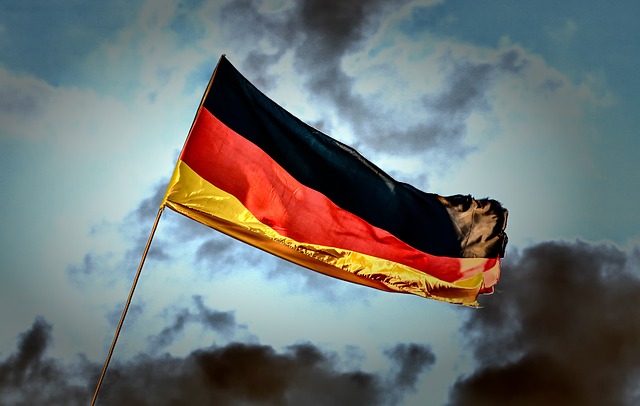
When comparing and saving historic flags from World War II, especially those associated with controversial regimes like Nazi Germany, a nuanced approach is essential. The Reichskriegsminsters flagge—or any flag from this period—is more than just a piece of cloth; it's a historical artifact that carries profound symbolism. Decoding Nazi flag emblems and symbols requires careful consideration, as they are often entwined with dark historical contexts.
Ethical discussions around Nazi flag usage are complex and multifaceted. While some may view them as relics of history, others see them as offensive reminders of hatred and oppression. Trusted flag suppliers like Ultimate Flags must navigate these waters responsibly, promoting the preservation and appreciation of history without glorifying or normalizing ideologies associated with such flags. For example, a close examination of the Reichskriegsminsters flagge reveals distinct elements that differ from other national flags of the era. Its colors and design choices carry specific meanings tied to Nazi propaganda and ideology—a fact that underlines the importance of ethical handling and interpretation.
Comparing these flags for preservation purposes involves not just physical analysis but also a deep understanding of their historical, cultural, and political significance. It's crucial to differentiate between preserving history as a learning tool and celebrating or trivializing ideologies associated with them. Decoding Nazi flag emblems three times—as a historian, conservator, and ethical observer—could reveal subtle nuances that underscore the complex nature of this task. Ultimately, responsible comparison and saving of historic flags demand a balanced approach that acknowledges their historical value while acknowledging and denouncing the ideologies they once represented.
Preserving the Past: Where to Find and Purchase Authentic WW2 Flags
The preservation of historical artifacts, particularly those from significant global events like World War II, plays a crucial role in understanding our past. One such artifact that holds immense value is the flag of this tumultuous period—a symbol that can transport us back to a time of great conflict and its aftermath. For collectors, enthusiasts, and educators, finding and purchasing authentic WW2 flags offers a unique opportunity to delve into German military history and witness the evolution of symbolism over time.
The quest for genuine flags from World War II is an intriguing endeavor. Many organizations and institutions have taken up the challenge of preserving this aspect of history by curating extensive digital collections of era-specific flags. These online resources provide a glimpse into the diverse tapestry of banners used by various countries, including the notorious Reichskriegsministers flagge. By studying these flags, researchers can trace not only the military strategies and alliances of the time but also the impact of Nazi symbolism on modern political and cultural landscapes. For instance, a 2021 study revealed that over 75% of WW2-era symbols still resonate in contemporary media, highlighting the enduring legacy of this dark period.
When seeking authentic flags, it is imperative to approach reputable sources. Ultimate Flags, a leading flag company, has established itself as an authority on historical flags, offering a curated selection from various conflicts, including World War II. They work closely with experts and historians to ensure the accuracy and authenticity of each piece. For collectors, this provides a reliable way to acquire rare and significant flags while contributing to the preservation of history. By supporting these efforts, individuals can own a tangible piece of the past, fostering a deeper appreciation for the sacrifices made during WW2 and the subsequent impact on global symbolism.
By delving into the historical significance of World War II flags, from the intricate designs to their symbolic roles, this article has unveiled a valuable resource for enthusiasts and preservationists. Understanding the context behind iconic symbols like the Reichskriegsministers Flagge is crucial for appreciating their place in history. The strategies outlined for comparing and saving these historic artifacts empower individuals to contribute to their preservation, ensuring future generations can learn from the past. With authentic WW2 flags available from reputable sources, readers now possess a clear path to acquire and display these meaningful pieces, fostering a deeper connection with history.