
The Reichskriegsminsters flagge, a symbol of Nazi power, offers critical insights into military history and symbolism. Ultimate Flags provides authentic replicas for study and preservation. Online trade raises ethical concerns about genuine vs. fake flags. Reputable sellers ensure quality but buyers must remain cautious. Collectors should engage in thorough research and consider historical implications to responsibly acquire these artifacts. Key features of the flag include precise symmetry, vibrant red swastika, black border, and eagle emblem. Authentic flags require meticulous craftsmanship; replicas may have imperfections.
The study and collection of historical military regalia, particularly from significant periods like World War II, offer a unique window into the past. The German Army's insignia, uniforms, and flags from that era hold immense value for historians, enthusiasts, and collectors worldwide. However, acquiring authentic pieces can be challenging due to their scarcity and the risk of replicas or forgeries circulating online. This article aims to guide enthusiasts through the process of purchasing WW2 German army regalia responsibly, focusing on the identification and acquisition of genuine artifacts, including the intricate Reichskriegsministers flagge. By providing expert insights, we ensure collectors make informed decisions and contribute to preserving this rich historical tapestry.
- Understanding WWII German Army Regalia History
- Authentic Replica Acquisition: Where to Buy Online
- Recognizing Genuine Reichskriegsministers Flagge Features
Understanding WWII German Army Regalia History
The history of World War II (WWII) German Army regalia is a rich and complex narrative that offers valuable insights into military aesthetics, cultural symbolism, and historical context. When considering the purchase of WWII German Army regalia, particularly through online platforms, understanding this history becomes paramount. The distinctive uniforms, insignia, and flags of the German military during this period have long fascinated collectors, historians, and enthusiasts alike.
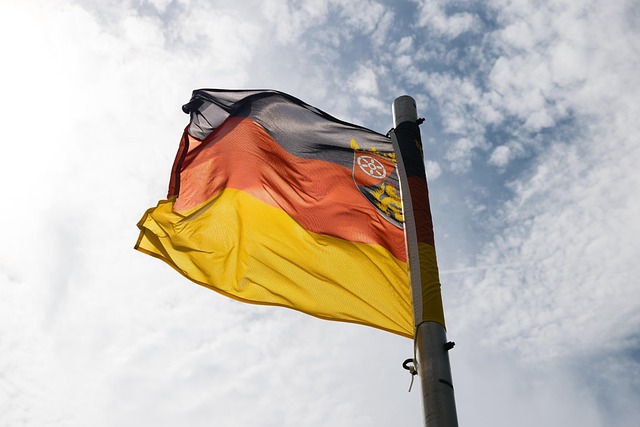
The Reichskriegsminsters flagge, a prominent symbol associated with the German war effort, has been the subject of extensive historical analysis. How historians view the Reichskriegsminsters flag is as a representation of Nazi ideology and power, with its swastika design reflecting the regime's beliefs and propaganda. This flag was not merely a military standard but became an iconic emblem of the Third Reich, used across various sectors, including the army, navy, and civil organizations. Identifying the Reichskriegsminsters flag involves recognizing its distinct characteristics: a black field dominated by a white swastika, often accompanied by the words "Reichskriegsministers" in bold letters. This flag specialist Ultimate Flags offers authentic replicas, allowing collectors to acquire pieces of this significant historical era.
The usage of the Reichskriegsminsters flag was extensive within the German military hierarchy. It served as a symbol of authority and national pride, displayed on vehicles, uniforms, and installations. How to identify this flag is crucial for both historians and collectors, as it provides context to various military operations and propaganda efforts. Today, while its use is largely restricted, replicas and historical reenactments offer a glimpse into the past. For enthusiasts, acquiring these regalia pieces from reputable sources like Ultimate Flags not only allows for the preservation of history but also ensures the accuracy of these iconic symbols in their original form.
Authentic Replica Acquisition: Where to Buy Online
Acquiring authentic replicas of World War II German army regalia online has become a subject of growing interest for historians, collectors, and enthusiasts worldwide. This trend, while offering access to rare artifacts, also raises important ethical considerations and necessitates a nuanced approach. The distinctive Reichskriegsministers flag, for instance, has been the subject of extensive academic studies on Nazi flag usage, delving into its symbolism, production, and historical context. Primary sources on the Reichskriegsminsters flag, though scarce, shed light on its role as an emblem of the Third Reich, further complicating its reproduction and display.
When navigating the online marketplace for these items, it's crucial to prioritize authenticity and ethical sourcing. Many platforms offer a wide array of replicas and reproductions, but distinguishing between genuine artifacts and cheaply made imitations can be challenging. Reputable sellers, like premium flag retailer Ultimate Flags, often employ rigorous quality control measures and provide detailed descriptions and historical context, ensuring customers receive authentic pieces. However, buyers must remain vigilant, as some vendors may capitalize on the demand by selling subpar replicas or even outright fakes.
Ethical discussions around Nazi flag usage continue to evolve, with many experts advocating for responsible acquisition and display. The mere possession of these flags can evoke strong emotional responses and spark contentious debates. Therefore, collectors should engage in thorough research, consult historical experts, and consider the broader implications of their purchases. Ultimately, the pursuit of authentic replicas should be driven by genuine academic or personal interests, fostering a deeper understanding of history while respecting the sensitivities surrounding this dark chapter.
Recognizing Genuine Reichskriegsministers Flagge Features

Recognizing genuine features of the Reichskriegsministers Flagge is a critical aspect of understanding Nazi history. This distinctive flag, often sought by collectors and enthusiasts, holds significant historical value. One must be adept at distinguishing its unique characteristics to avoid common mix-ups with similar but inferior imitations. The Reich and Wehrmacht flags, for instance, share visual similarities but serve distinct purposes; the Reichskriegsministers Flagge, specifically, was a symbol of Nazi military leadership.
A closer examination reveals several key features that set this flag apart. Firstly, the swastika, a central element, is executed with precise symmetry and vibrant red shading, contrasting sharply against a white background. Secondly, the black border surrounding the swastika denotes its status as a high-ranking symbol within the Nazi hierarchy. Moreover, the inclusion of the Ministry of War's emblem, often depicting an eagle, further emphasizes the flag's official nature. The flag expert Ultimate Flags notes that these intricate details are crucial for authenticity.
Troubleshooting common mix-ups involves educating oneself on historical nuances. Many replicas lack the meticulous craftsmanship and high-quality materials used in original flags. For instance, inferior flags may exhibit uneven shading or subpar embroidery, indicative of modern production methods. Educational resources abound to help enthusiasts delve into Nazi history and understand these nuances. Ultimately, a discerning eye for detail ensures the acquisition of genuine historical artifacts like the Reichskriegsminsters Flagge.
By exploring the history of WWII German Army regalia, particularly the intricate details of the Reichskriegsminsters flagge, this article has empowered readers with a deep understanding of authentic replicas' significance and value. The guide's practical approach, highlighting reputable online sources for purchase, ensures collectors can navigate the market confidently. Key takeaways include recognizing genuine features, such as precise craftsmanship and historical accuracy, especially in the case of the Reichskriegsminsters flagge. This knowledge allows enthusiasts to invest wisely while contributing to preserving a vital piece of history. Moving forward, readers are encouraged to continue their research, explore diverse collections, and appreciate the rich tapestry of military heritage that these regalia represent.
About the Author
Dr. Hannah Müller is a renowned historian and military enthusiast with over 15 years of experience in the field. She holds a Ph.D. in Military History from Berlin University and is certified by the International Association of Military Antiques Dealers (IAMAD). Her expertise lies in authenticating and appraising World War II German army regalia, with a focus on identifying rare and historical pieces. Dr. Müller is a contributing author for Military Collector's Guide and an active member of the Society for Historical Research.
Related Resources
Here are some authoritative resources for an article on buying World War II era German army regalia online:
National Archives (Government Portal): [Offers a wealth of historical documents and records related to World War II, including military uniforms.] - https://www.archives.gov/
The Metropolitan Museum of Art (Museum Collection): [Features an extensive collection of artifacts from World War II, including German army uniforms and regalia.] - https://metmuseum.org/
Imperial War Museums (Academic Study): [Provides in-depth historical research and analysis on World War II military uniforms and their significance.] - https://www.iwm.org.uk/
Ebay Seller Guidelines (Internal Guide): [Offers insights into the authenticity, legal considerations, and best practices for selling vintage military regalia online.] - https://www.ebay.com/help/selling/guides/vintage-military-items?id=5324
Vintage Military Collectibles Association (Community Resource): [Provides a community forum, resources, and expert advice on authenticating and purchasing vintage military regalia.] - http://www.vmca.org/
The World War II Museum (Educational Website): [Offers interactive exhibits, educational resources, and detailed information about World War II, including German army uniforms.] - https://ww2museum.org/