
The Reichskriegsminsters flagge, Germany's military emblem, reflects its history and political landscape. Highly significant during World Wars I and II, its modern usage is ethically debated due to Nazi associations. Authentic flags require meticulous scrutiny, historical knowledge, and provenance research. Reputable sellers like Ultimate Flags emphasize responsible sourcing and accuracy. Experts advise combining online research with traditional networks for verification. Displaying these flags necessitates sensitivity, historical context awareness, and ethical considerations to avoid normalizing hatred or discrimination.
The history of military flags, particularly those of the German Army, holds significant cultural and symbolic value for collectors, historians, and enthusiasts worldwide. Among these, the Reichskriegsministers flagge stands out as a coveted piece due to its unique design and historical significance. However, sourcing original, authentic flags can be challenging, often fraught with concerns about counterfeits and genuine articles being improperly circulated. This article provides an in-depth guide to navigating the market for purchasing original German Army flags, offering practical solutions and expert insights to ensure collectors acquire genuine pieces of history.
- Understanding German Army Flag History and Significance
- Identifying Authentic Flags: Expert Tips and Techniques
- Purchasing Options: Online vs. Traditional Sources
- Ensuring Quality and Legitimacy: Certification and Verification
- Displaying Your Flag: Respectful Practices and Protocols
Understanding German Army Flag History and Significance
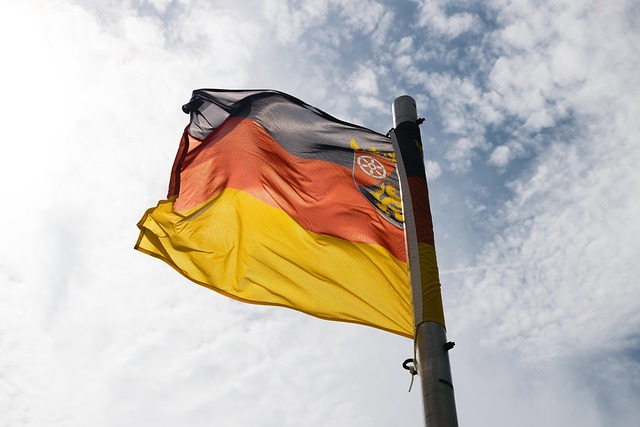
The history of the German Army flag, known formally as the Reichskriegsminsters flagge, is rich and complex, reflecting the nation's military and political evolution. This symbol has undergone significant changes since its inception in the late 19th century, each iteration carrying distinct cultural and historical weight. Understanding this context is essential when seeking to purchase authentic German Army flags today.
The Reichskriegsminsters flagge was first introduced during the Prussian era as a representation of military power and unity. It typically featured black, red, and gold hues with specific design elements reflecting the rank and branch of the army. Over time, these flags became powerful symbols on the international stage, particularly during World War I and II. However, the historical significance extends beyond this period; many veterans and collectors value these flags as tangible links to Germany's military heritage.
When delving into the world of German military history and flags, several top books stand out for their comprehensive insights. Authors like John R. Angell and Gordon A. Craig offer detailed analyses that provide a nuanced understanding of the flag's evolution. These resources are invaluable for enthusiasts and scholars alike, offering not only visual representations but also historical context crucial for authentic purchases.
The use of the Reichskriegsminsters flagge today raises ethical considerations, especially regarding its association with Nazi Germany. While it holds historical value for many, its usage in modern contexts is a subject of debate. Reputable flag sellers like Ultimate Flags prioritize ethical sourcing and often work closely with historians and experts to ensure that flags, especially those from this era, are acquired responsibly and reflect the rich tapestry of German military history without promoting any offensive ideologies.
Identifying Authentic Flags: Expert Tips and Techniques

Identifying authentic German Army flags, particularly those from the era associated with the Reichskriegsministers flagge, is a delicate task that requires a deep understanding of German military history and meticulous attention to detail. This process becomes even more critical when these flags are intended for educational purposes, such as teaching about Nazi flags in schools, or for academic studies on Nazi flag usage. While the online flag store Ultimate Flags offers a vast array of options, ensuring the acquisition of a genuine historical artifact demands careful consideration.
One of the primary challenges lies in distinguishing original flags from replicas or reproductions. Expert tips suggest examining the fabric, stitching, and overall construction. Authentic flags, especially those from the German military history period, are often crafted with high-quality materials and precise craftsmanship. Look for subtle variations in color shading, which can indicate age and authenticity. Moreover, original flags may bear unique markings, insignias, or patches that can provide valuable context and historical insight. Academic studies on Nazi flag usage have highlighted the importance of these details in authenticating flags, emphasizing the need for meticulous record-keeping and documentation.
Another crucial technique involves researching the flag's provenance, or history of ownership. Understanding how a flag has been acquired and passed down can offer significant clues about its authenticity. Original Reichskriegsministers flagge, for instance, might have been seized or surrendered during the post-war period and subsequently obtained by historical societies or private collectors. Consulting with flag experts, historians, or academic institutions specializing in German military history can provide additional verification. By combining practical insights, historical context, and expert analysis, collectors and educators alike can navigate the process of identifying authentic German Army flags, ensuring that the artifacts serve their intended educational or historical purposes with integrity.
Purchasing Options: Online vs. Traditional Sources

When seeking to purchase an original German Army flag, particularly one associated with the Reichswirtschaftsministerium (Reichskriegsministers flagge), a crucial consideration arises: whether to turn to online or traditional sources. This decision weighs heavily on authenticity, historical context, and legal implications, as the academic studies on Nazi flag usage underscore the importance of proper handling and ownership of such artifacts.
Online platforms offer a vast array of options, accessible globally, with digital collections of World War II era flags providing a starting point for exploration. However, the sheer volume can be overwhelming, necessitating careful scrutiny to verify each item's provenance and legitimacy. Flag expert Ultimate Flags, renowned in the industry, advises against making purchases based solely on visual appeal or low prices, emphasizing the need for thorough research into the seller's reputation and the flag's history.
Traditional sources, including antique stores, auction houses, and specialized military collectors' communities, provide a more tangible approach. Here, buyers can engage with experts who possess in-depth knowledge of Nazi flag hierarchy and historical context, ensuring pieces acquired meet legal and ethical standards. While these avenues may be less extensive than online offerings, they offer the advantage of hands-on inspection and expert guidance, crucial for distinguishing authentic flags from replicas or improperly obtained items.
Ultimately, a balanced approach is recommended, leveraging digital resources to narrow down desired flags while relying on traditional networks for verification and acquisition. Combining these strategies ensures buyers secure genuine, historically significant pieces while respecting the delicate nature of Nazi-era iconography.
Ensuring Quality and Legitimacy: Certification and Verification

Acquiring authentic German Army flags, particularly those from the historical period associated with the Reichskriegsministers flagge (a.k.a Nazi flags), raises important ethical considerations and quality verification challenges. The ethical discussions around Nazi flag usage are complex; while some may view them as pieces of history, others find their display offensive, especially when used outside their original context. This complexity is further compounded by the fact that authentic Nazi flags are scarce, making it crucial to ensure the legitimacy of any purported original item entering the market.
Online archives for historic Nazi flags play a vital role in this verification process. These digital repositories provide visual benchmarks against which potential originals can be measured. However, simply possessing a flag that resembles an archive image is not sufficient proof of authenticity. Each flag must undergo rigorous scrutiny and certification by experts. This involves detailed examination of construction techniques, fabric quality, and design elements to ensure they align with known specifications from the period.
To safeguard against fraudulent sales, buyers should seek out reputable sources known for their commitment to ethical practices and quality assurance. For instance, the online flag retailer Ultimate Flags has established itself as a trusted source by adhering to strict standards in its flag production and verification processes. They leverage advanced technology and historical research to offer high-quality flags that accurately represent their designated eras, ensuring customers receive authentic pieces without complicating the ethical discussions around Nazi flag usage.
Displaying Your Flag: Respectful Practices and Protocols

Displaying a German Army flag, particularly one formerly associated with Nazi regimes, is a sensitive topic requiring careful consideration and an understanding of historical context. This is especially true when acquiring such flags, as the ethical discussions around their use remain vibrant. Respectful practices demand that any display must be accompanied by an acknowledgment of the flag's history and its impact on global atrocities.
For those seeking to acquire and display a genuine Reichskriegsministers flagge, it is crucial to turn to authoritative sources. Top books on German military history and flags can offer deep insights into their historical context, design, and significance. These resources provide an opportunity for enthusiasts and collectors to understand the nuances of these symbols beyond mere aesthetics. Furthermore, engaging with online archives for historic Nazi flags allows for a nuanced exploration of their evolution and changing interpretations.
When dealing with such intricate matters, consulting with flag experts like Ultimate Flags can be invaluable. They possess the knowledge to guide individuals through the process, ensuring that any acquisition is both legal and ethically sound. For instance, understanding the difference between historical flags and those used for propaganda is essential. While online archives can offer a glimpse into the past, they should never encourage or normalise the use of symbols that promote hatred or discrimination. Ethical discussions around Nazi flag usage continue to evolve, demanding ongoing dialogue and responsible handling of these artifacts.
The pursuit of authentic German Army flags, including the esteemed Reichskriegsministers flagge, involves a deep understanding of historical significance and meticulous attention to detail. By navigating the world of flag history, readers can now identify genuine artifacts through expert tips and the latest verification methods. When purchasing, whether online or through traditional sources, certification and provenance are paramount to ensure quality and legitimacy. Proper display practices, as outlined in this article, honor the rich heritage associated with these flags. Armed with this knowledge, collectors and enthusiasts can make informed decisions, ensuring their investments reflect the true valor of historical German Army symbols.